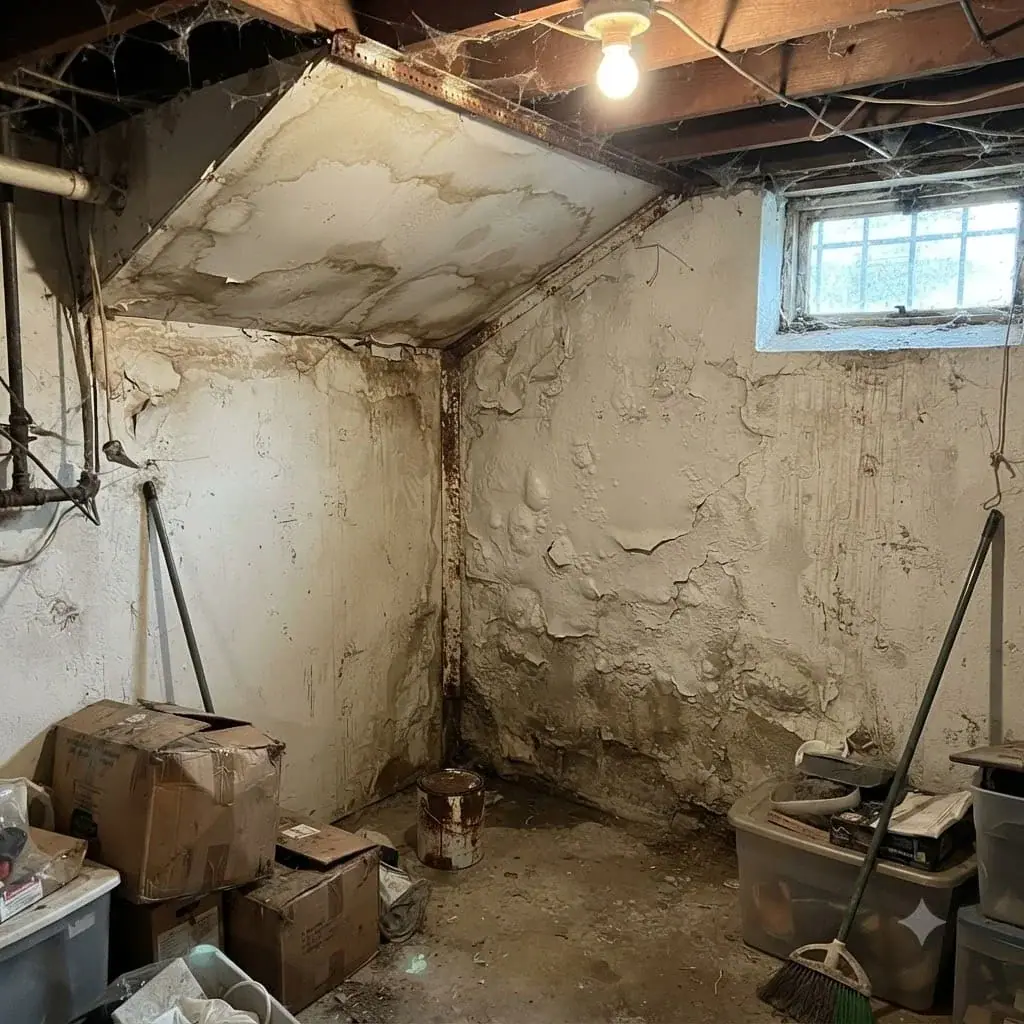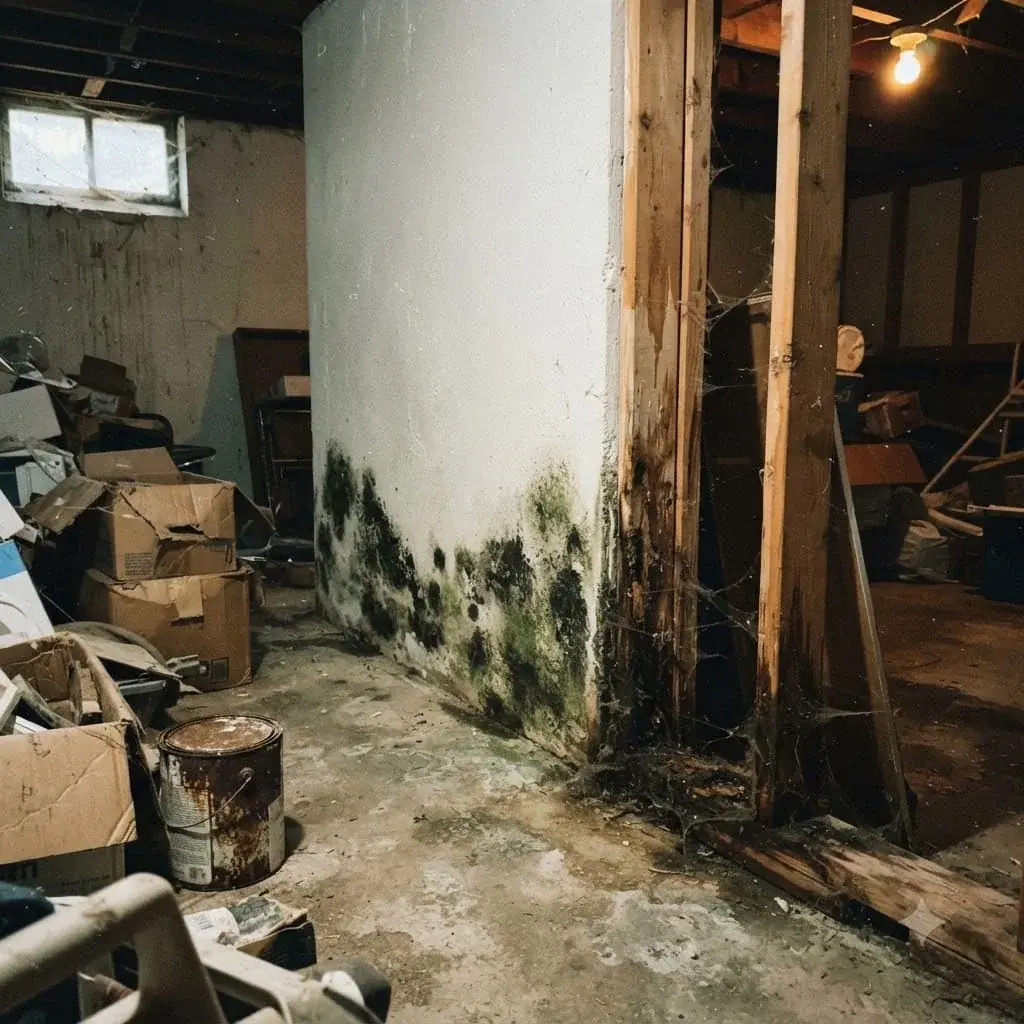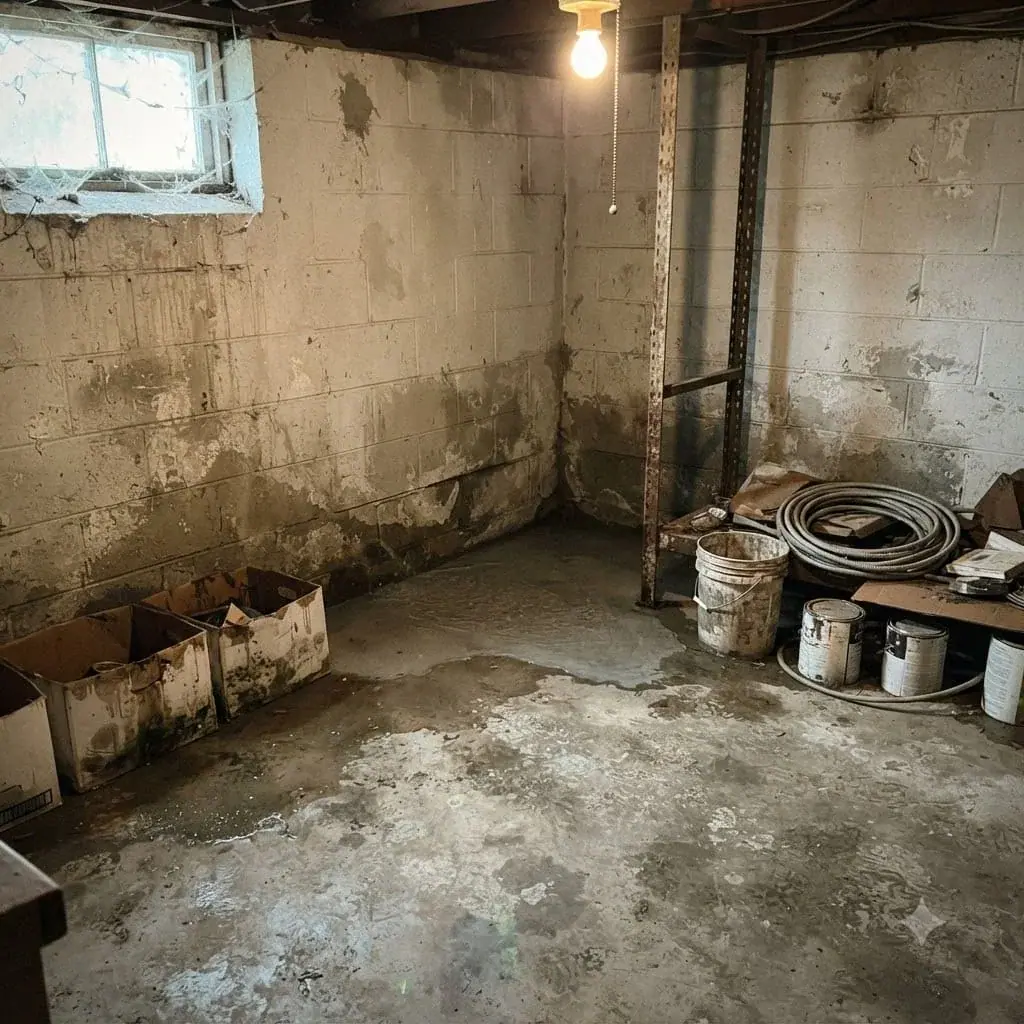
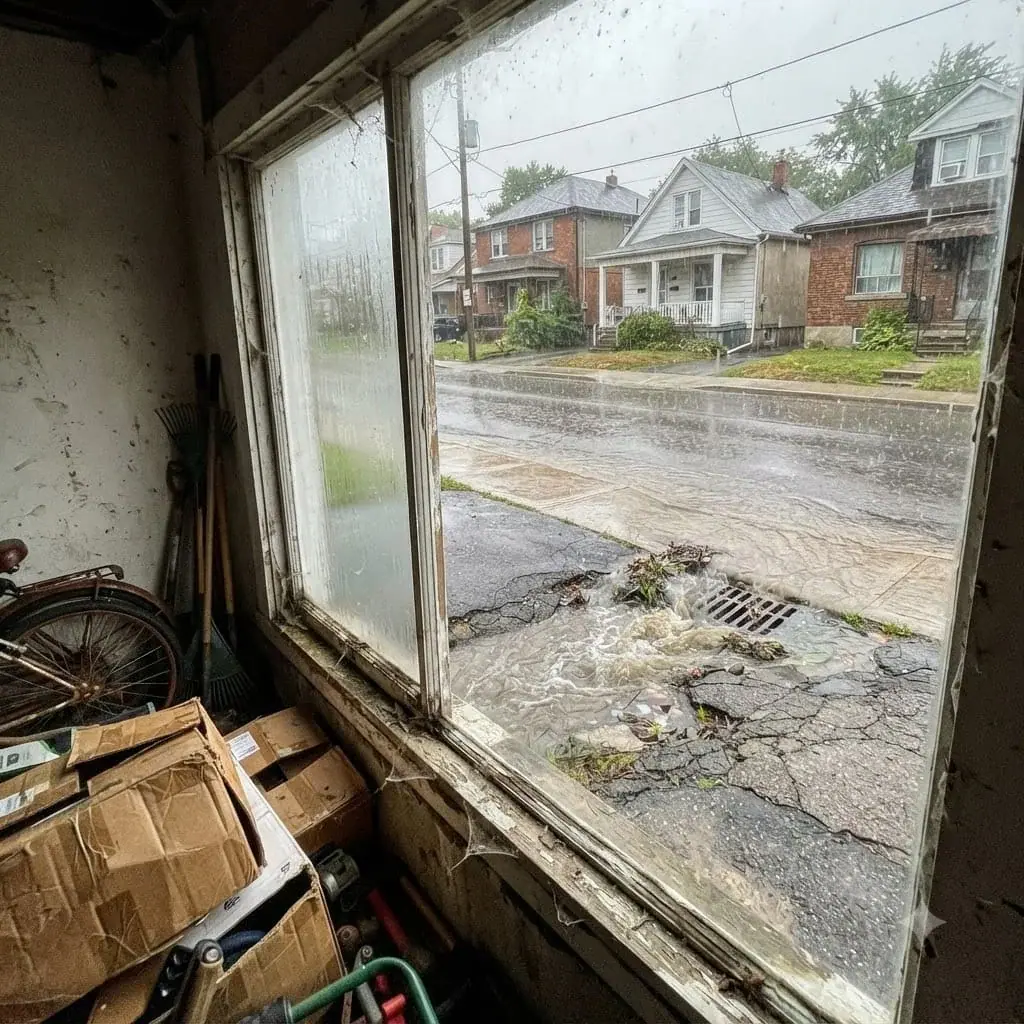
Basement flooding in Youngstown and the Mahoning Valley doesn't have one cause. The valley has a long history of river floods, an older combined sewer system that heavy rain can overwhelm, and clay soil that holds water against foundations. Each source floods a basement differently, and each needs a different fix. Here's where the water comes from and how to tell which one you're dealing with.
The River: A Long Flood History
The Mahoning River has flooded the valley before, and the record is part of why the area now has flood control. Major floods struck in March 1913 and again in January 1959, when the river crested at 18.6 feet at Youngstown and the damage was estimated at about $20 million at the time. Dams and reservoirs built across the region since then help control the river.
River flooding hits low-lying areas along the river first. Most basement water today comes from somewhere else.
The Sewers: Combined Pipes in Older Areas
Youngstown's older areas are served by a combined sewer system, which carries sanitary sewage and storm runoff in the same pipes. In heavy rain, those flows can exceed pipe capacity. The city agreed to a federal and state settlement in 2002 over discharges from its combined sewer system, and the work is still going. A February 2026 Ohio EPA environmental review covers the Mill Creek interceptor project, which replaces existing combined sewers with a 96-inch pipe and targets 17 overflow structures across four phases.
For a homeowner, the risk is a backup, where the sewer fills and pushes water up through floor drains, toilets, and basement fixtures. That water is contaminated. It isn't groundwater, and drainage under the floor does not stop it. A licensed plumber can tell you whether a backwater valve suits your home, and a sewer and drain backup endorsement covers the cost of a loss that standard policies exclude.
The Soil: Where Most Basement Water Comes From
For most Youngstown basements, the water comes through the walls and the floor from the saturated ground. The soils here formed from glacial till, and the USDA classes the Mahoning soil series as somewhat poorly drained, with a subsoil that is 35 to 45 percent clay and a water table that sits high from October through June in most years. About 41 inches of precipitation and nearly 68 inches of snowfall a year keep that soil wet for long stretches. Clay holds water against a foundation, the pressure builds, and the water finds the cove joint, the cracks, and the mortar joints.
The age of the housing adds to it. About 35% of occupied homes in Youngstown were built before 1940 and roughly 70% before 1960, and many mid-century homes were built with clay drain tile around the footing. When that tile silts up or cracks, the groundwater stays against the wall.
How to Tell Which Problem You Have
The pattern of the water tells you the source.
- Water at the floor-wall seam or through the walls after rain or snowmelt. This is groundwater pressure, and it follows the weather. It's what interior drainage and a sump pump handle.
- Water coming up through floor drains or toilets, often with a foul smell. This is a sewer backup. It's a plumbing problem, and drainage under the slab does not stop it.
- Water entering through a window well or basement window. This is surface runoff finding a low path, and grading, downspouts, and window well drains handle it.
- Water pouring in from a river or creek rising outside. This is rare away from the immediate floodplain, and it's a flood-insurance matter.
What Protects a Basement in the Mahoning Valley
For the groundwater that causes most flooding, the core is an interior drainage system with a sump pump sized to the water volume. A battery backup pump is the most important addition, because a storm heavy enough to flood a basement can also cut the power, and a standard pump stops when the power does. Fixing grading and downspouts to move surface water away from the house reduces the load. For a wall that leaks across its whole face or a failed footing drain, exterior waterproofing addresses the source. Sewer backups need a plumber, and flood insurance covers rising external water.
Frequently Asked Questions
Has the Mahoning River flooded Youngstown before?
The Mahoning River has flooded Youngstown before, including the major floods of March 1913 and January 1959. In January 1959 it crested at 18.6 feet at Youngstown, with damage estimated at about $20 million at the time. Flood-control dams and reservoirs built across the region since then help manage the river, so river flooding today is mostly a concern for low-lying areas near the water.
Why does my Youngstown basement flood when it rains?
Youngstown basements flood in heavy rain mainly because clay-rich soil holds water against the foundation and saturated soil pushes it through cracks, joints, and the floor-wall seam. The water table here sits high from October through June in most years, and about 41 inches of precipitation and nearly 68 inches of snowfall a year keep the ground wet. Older block and stone walls, and failed clay drain tile around the footing, give the water an easy way in.
Can a sewer backup flood my basement in Youngstown?
A sewer backup can flood a Youngstown basement, because the city's older areas are served by combined sewers that carry sewage and storm runoff in the same pipes. In heavy rain those flows can exceed pipe capacity and push water up through floor drains and toilets. The water is contaminated, and a plumber handles the fix. A sewer and drain backup endorsement on your homeowners policy covers a loss that standard policies exclude.
Do I need flood insurance if my basement floods?
You may need flood insurance if you live near the river or a creek and the flood risk is rising water from outside. Most homeowners insurance does not cover flood damage, and the federal flood insurance program is a separate policy. Basement water that comes from saturated soil, a burst pipe, or a sewer backup falls under different rules. Your insurance agent can tell you which applies to your home and your flood zone.
What protects a Youngstown basement from flooding?
An interior drainage system with a sump pump handles the groundwater behind most Youngstown basement flooding, and a battery backup pump keeps it running through a storm power outage. Grading and downspouts that move rain away from the house reduce the load. Walls that leak across their whole face may need exterior waterproofing. Sewer backups need a plumber, and flood insurance covers rising external water. An inspection identifies which sources affect your home.