Interior Drainage & Sump Pump Installation in Youngstown, OH
Interior drainage and sump pumps carry water away from the inside of the footing in Youngstown, Ohio before it pools on a basement floor. An interior perimeter drain paired with a sump pump handles the water pressure that builds in the clay-rich soil around Youngstown foundations, where roughly 70% of occupied homes were built before 1960. Call 330-642-8091 to reach a local provider.
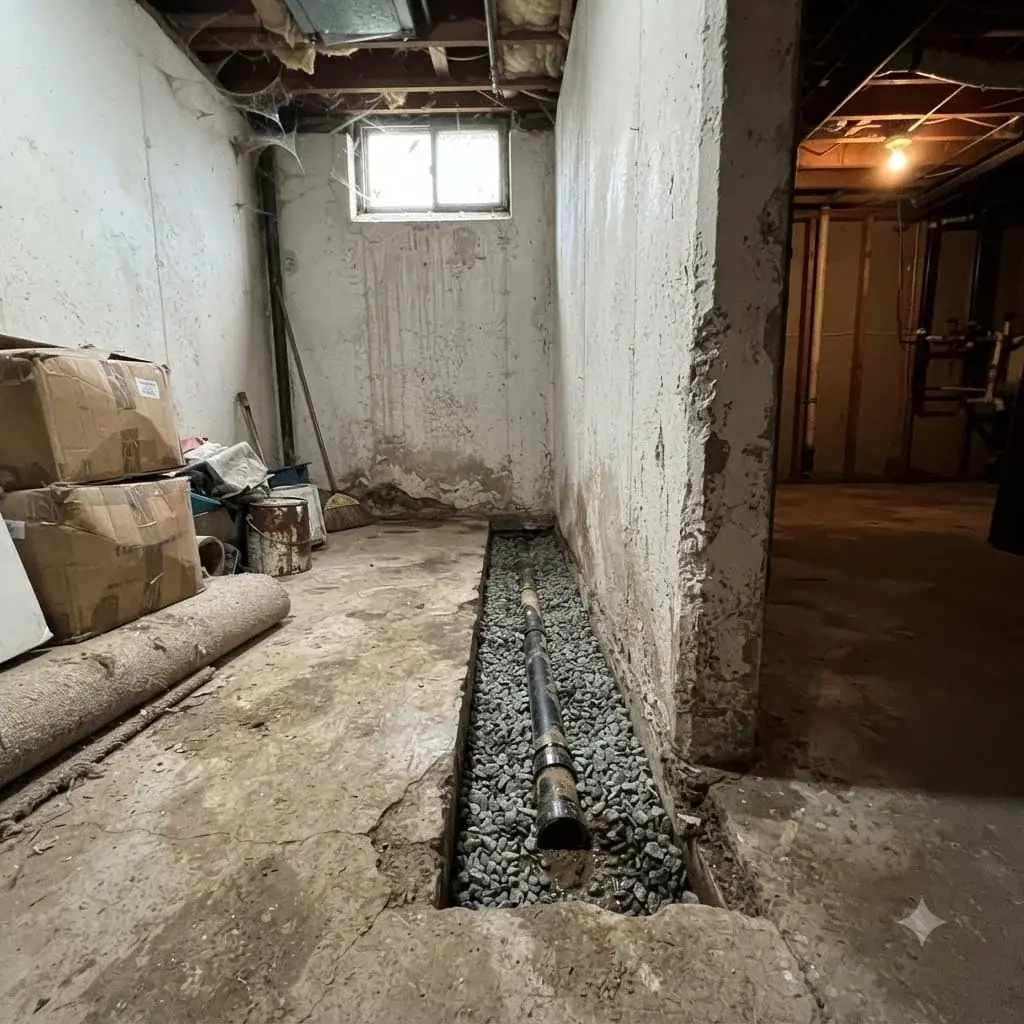
Interior drainage works below the slab, where the water collects. Water that seeps through the wall or rises at the floor-wall seam drops into a channel cut along the footing, runs through a perforated pipe to a sump basin, and gets pumped out and away from the house. It is the least disruptive waterproofing method, and it can be installed in any season, including a Youngstown winter when frozen ground rules out exterior digging.
How Interior Drainage Is Installed
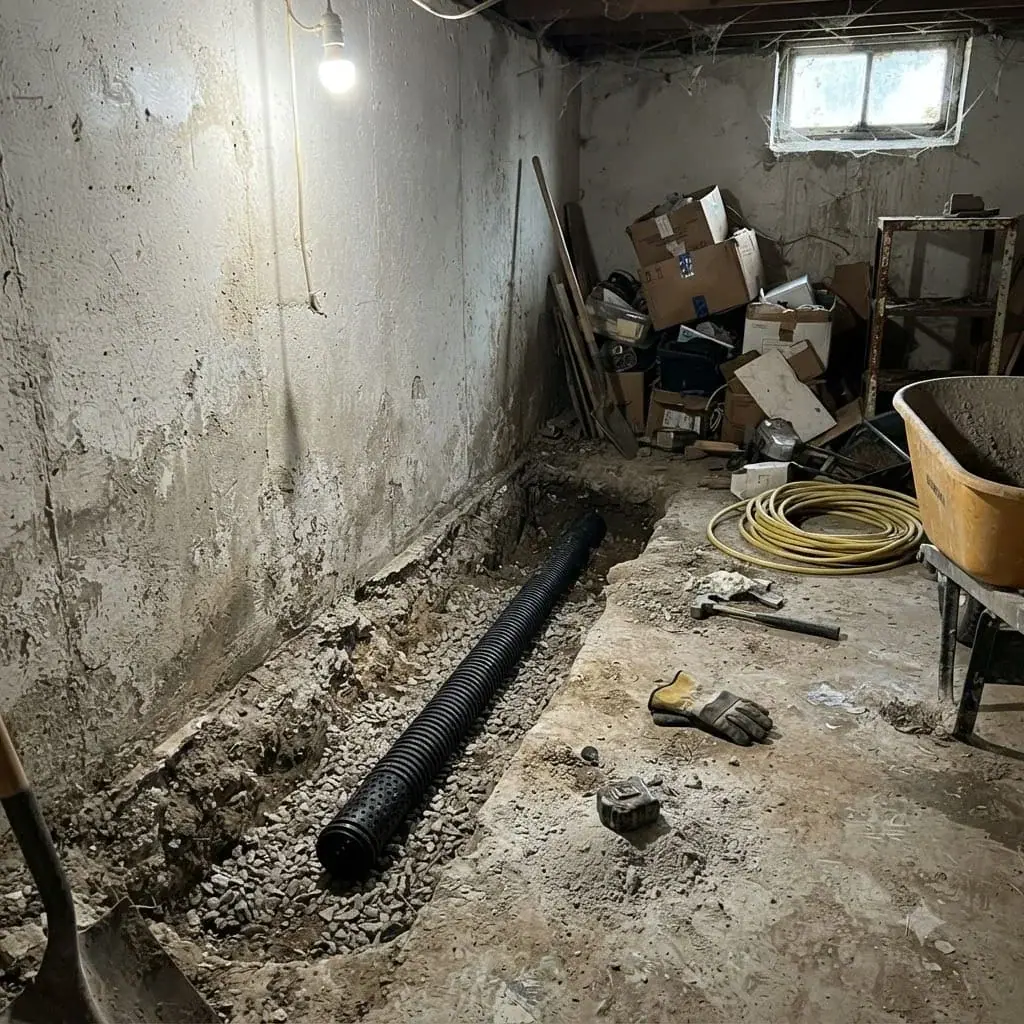
Interior drainage installation follows the same sequence on most Youngstown homes. First, a narrow channel is cut in the concrete slab along the inside edge of the footing, around the wet section of the perimeter. Second, on block walls weep holes are drilled into the bottom course so water trapped inside the hollow block drains into the channel instead of building up behind the wall. Third, a perforated pipe is set in clean gravel and sloped toward the sump basin. Finally, the channel is patched with fresh concrete flush to the floor and the system is tested.
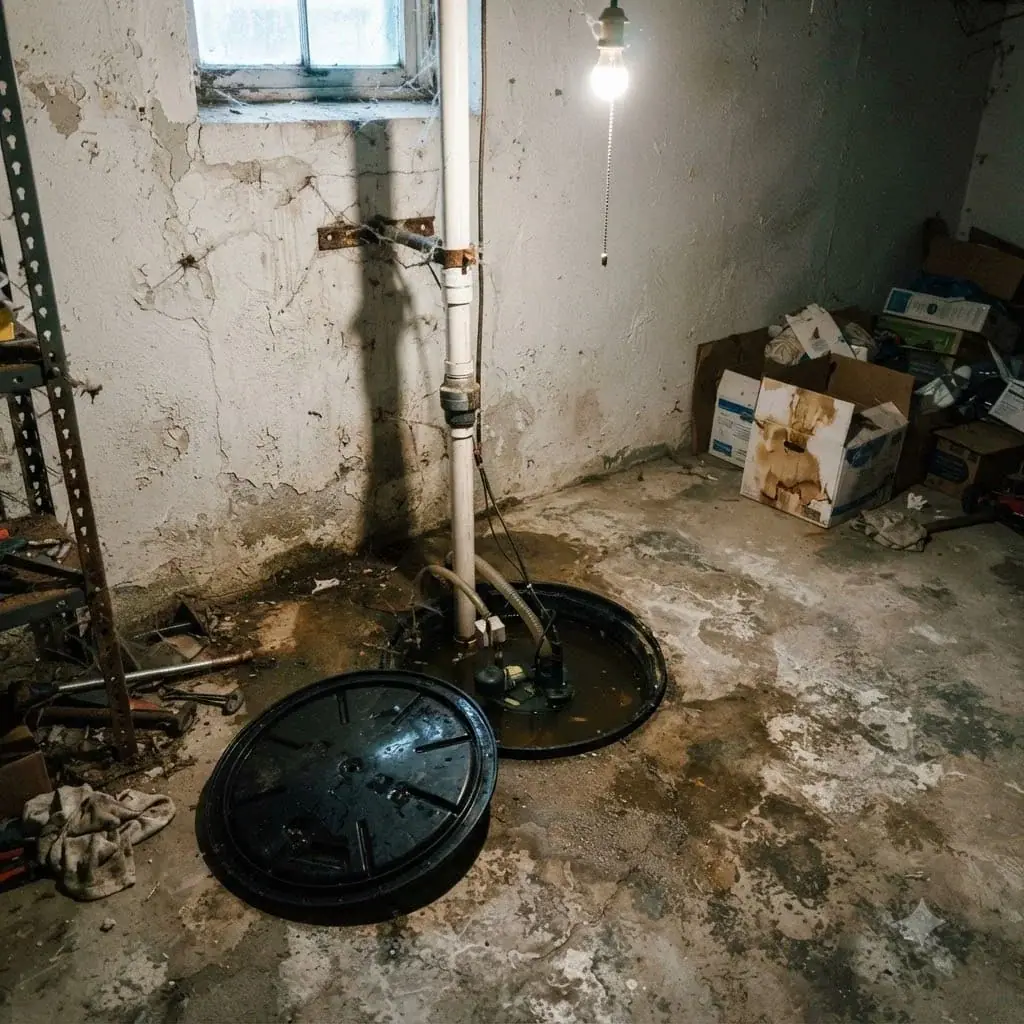
The sump basin sits at the lowest point of the basement, usually in a corner or an unfinished room. The pump switches on automatically when water reaches a set level and pushes it through a discharge line to the yard. That line has to run far enough out that the water can't return to the foundation. Where an older home's plumbing ties into the city's combined sewer, local rules decide what a discharge can connect to, and a provider confirms them before the line goes in.
When the Old Drain Tile Has Stopped Working
Many mid-century Youngstown homes were built with clay drain tile around the footing. Clay tile silts up and cracks over decades, and once it fails, the water it used to carry away stays against the foundation. An interior system doesn't depend on that old tile. It collects water at the inside of the footing and sends it to its own sump, so the old tile no longer decides whether the basement stays dry. The old tile stays in the ground and the new system goes in on the inside.
Sump Pumps and Battery Backup
Sump pumps are the engine of an interior system, so pump choice matters more than most homeowners expect. A primary pump handles normal flow. A standard electric pump stops the moment the power goes out, and a storm heavy enough to flood a basement is the kind that can take the power with it. That's the case for a battery backup pump.
A battery backup runs the sump when the grid is down, which is when a basement is most likely to flood. The backup should be sized to the home and the water volume rather than to a one-size spec, so the pump that runs on the worst night is the one built for it.
Dehumidifiers and Basement Humidity
Humidity is the problem interior drainage doesn't fully solve on its own. A drain and sump stop standing water, but a Youngstown basement can still feel damp and smell musty through a humid Ohio summer, because moisture moves through block and concrete as vapor, not just as liquid. A dedicated basement dehumidifier pulls that vapor out of the air and keeps the humidity low enough to stop mold and that musty smell. One is usually fitted where the moisture load calls for it, alongside a drainage system in a finished or soon-to-be-finished basement.
Crawl Spaces and Window Wells
Crawl spaces and window wells take on water the same way a basement does, and they are handled as part of the same system. In a crawl space, that means drainage at the low point, a vapor barrier over the ground, and a dehumidifier where the moisture is high, so humidity stops rising into the house. At window wells, it means a drain at the bottom that ties into the interior system, and a cover that keeps rain out.
Why Waterproofing Paint Isn't a Drainage System
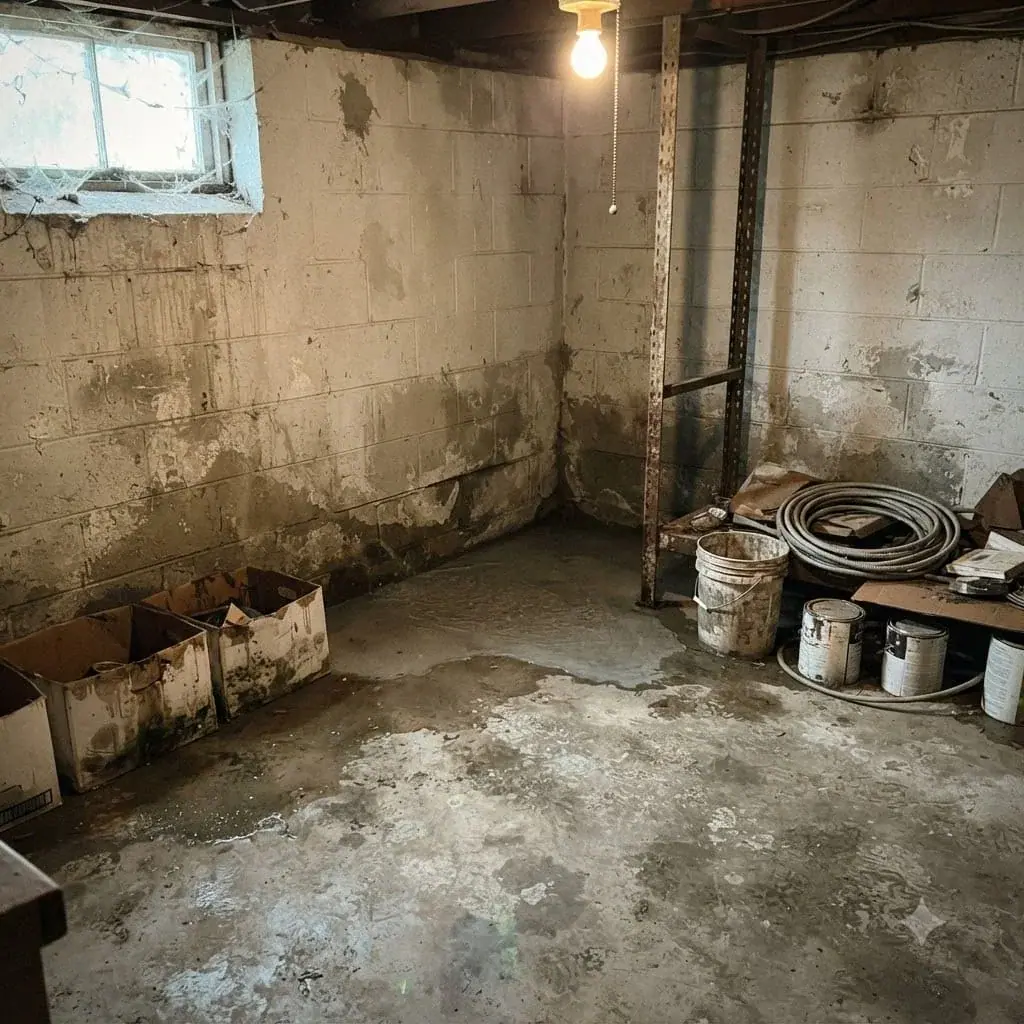
Waterproofing paint is where a lot of Youngstown homeowners start, and it does one job. Sealers and waterproofing paints coat the inside face of the wall and can slow minor dampness on an otherwise dry wall. They do not relieve water pressure. When saturated clay soil pushes water against the foundation, that pressure builds behind the coating until it peels, blisters, or finds the floor-wall seam the paint never touched. On older block and stone walls, paint buys a season at best. Interior drainage addresses the pressure itself, which is why it lasts where paint fails.
What to Look for in a Provider
Local experience. A provider who sizes systems for the Mahoning Valley's older foundations and clay soil, not a national template.
An inspection before a plan. The drain length and pump setup should follow what the inspection finds, not a standard package.
Scheduled appointments, not an open-ended window. A provider who commits to a time and keeps it.
The right-sized system. The drain length and pump setup matched to the actual water problem, and nothing more.
Work is performed by independent professionals. Permit requirements vary between the City of Youngstown, neighboring cities, and the townships, so a provider confirms what the local building department requires before work starts.
Frequently Asked Questions
How long does interior drainage take to install?
Most interior drainage jobs in a Youngstown home take one to three days, depending on how much of the perimeter needs a drain. The work runs in order: cut the slab, set the pipe and gravel, place the sump basin, patch the concrete, and test the pump. The fresh concrete needs a short time to cure, but the system works right away. A full-perimeter job on a larger basement runs toward the longer end.
Do I really need a battery backup sump pump?
A battery backup matters because the storms that flood basements can also cut the power, and a standard sump pump stops the moment the grid goes down. That is the exact moment water is rising fastest. A backup pump keeps running on battery through the outage. For a basement that takes on water regularly, or a finished basement worth protecting, a backup belongs in the system rather than on a list of upgrades.
Will an interior drain stop a musty smell?
An interior drain stops standing water, but a musty smell usually comes from humidity, which is a separate problem. Moisture moves through block and concrete as vapor even after the liquid water is handled. A basement dehumidifier pulls that vapor out of the air and keeps humidity low enough to stop mold and odor. A dehumidifier is often paired with drainage in a Youngstown basement that will be used or finished.
Is waterproofing paint a cheaper alternative?
Waterproofing paint does not do the same job. Paint coats the wall surface and can slow light dampness, but it cannot relieve the water pressure that pushes through a foundation after heavy rain or snowmelt. On older block and stone walls, the coating peels or blisters within a season or two. Interior drainage addresses the pressure itself, which is why it holds up where paint does not.
Where does the sump pump water go?
The sump pump pushes water through a discharge line that exits the house and releases it in the yard, well away from the foundation. A discharge that dumps water right beside the wall sends it back into the soil and back into the basement. The line needs to run far enough out, and with the right slope, that the water drains away. Where a home's plumbing connects to the city's combined sewer, local rules decide what the discharge can tie into, and a provider confirms them first.
Does the old clay drain tile have to be removed?
Old clay drain tile does not have to be removed to install an interior system. The interior drain collects water at the inside of the footing and sends it to its own sump basin, so it works whether the old tile outside still runs or has silted up. That means no excavation around the house for a standard interior job. If the old tile is the main source of the problem, an inspection will show whether exterior work makes sense as well.
Interior vs exterior basement waterproofing explained: how each system works, when to choose one over the other, and what most Youngstown homes actually need. Call 330-642-8091.