
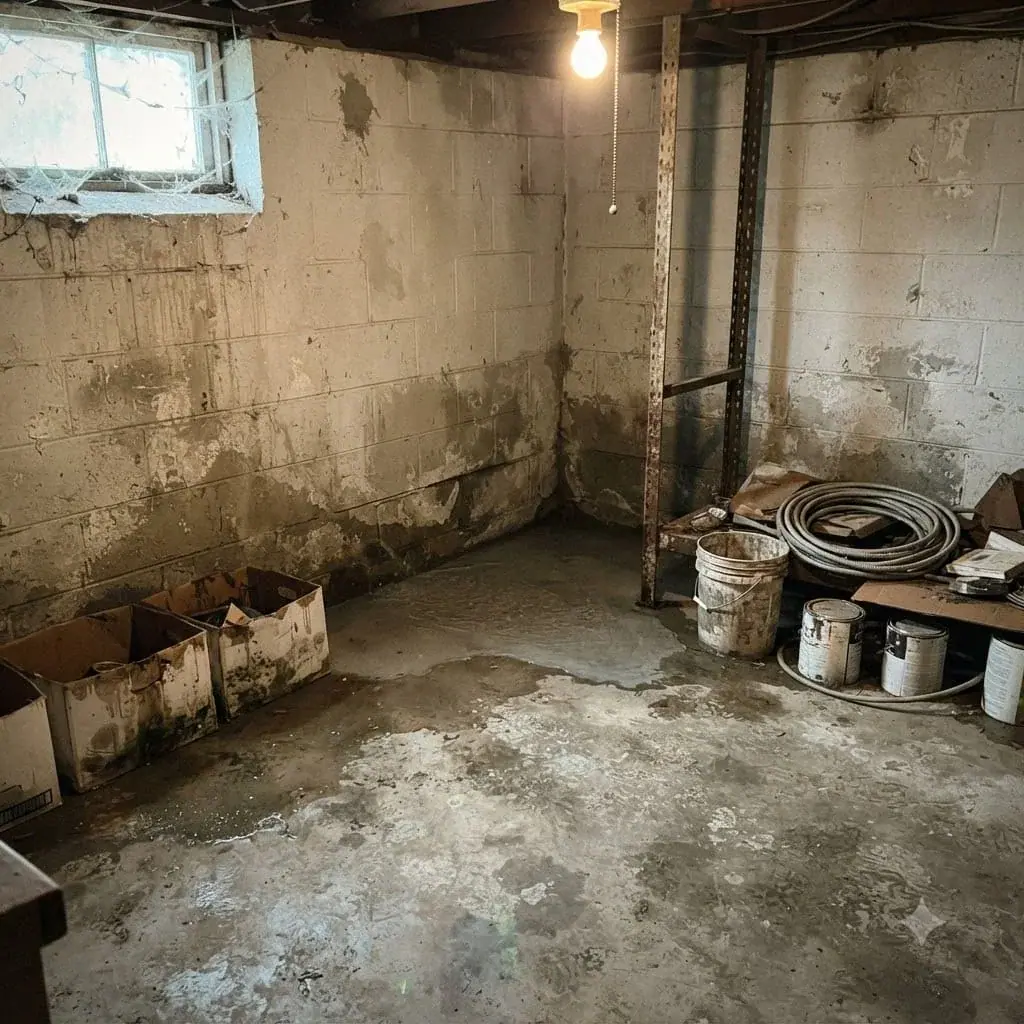
Why Does My Basement Leak After Heavy Rain in Youngstown?
Why Youngstown basements leak after heavy rain: clay soil pressure, older foundations, freeze-thaw, and what stops it. Call 123-456-7890.
We handle basement waterproofing in Youngstown, Ohio, where about 35% of occupied homes were built before 1940 and roughly 70% before 1960, so many basements here were built before modern waterproofing existed. Those foundations sit on clay-rich glacial soil that drains slowly, and they take about 41 inches of rain and snow a year. Call 123-456-7890 for a free estimate.
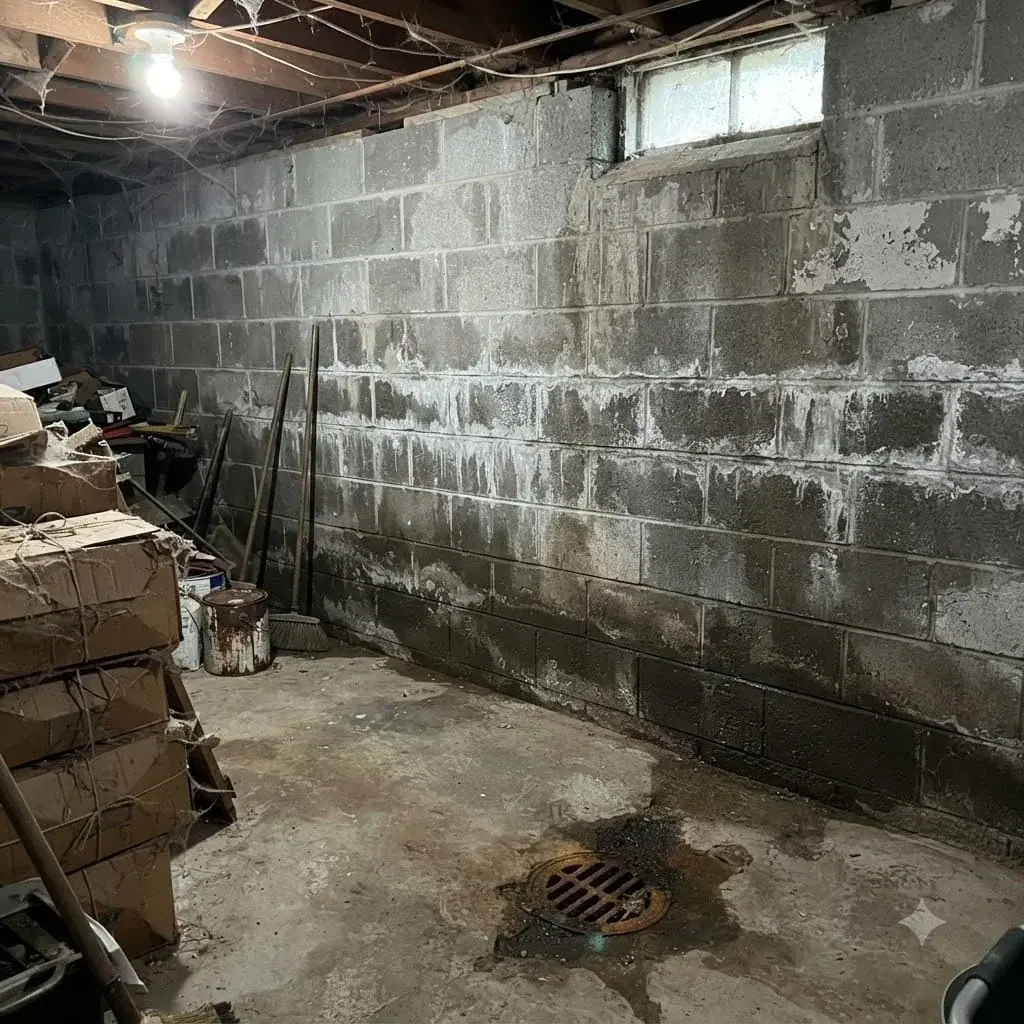
A wet basement almost always comes down to water pressure. Rain and melting snow saturate the soil around the foundation, the saturated soil presses against the walls, and that pressure drives water through cracks, mortar joints, and the seam where the wall meets the floor. Sealing the surface rarely holds, because the pressure behind it hasn't gone anywhere. We relieve the pressure and give the water a controlled path out.
Water gets into Youngstown basements in a few different ways, so we match the method to where it's coming from and how the foundation is built.
We install interior drainage and sump pumps for water that collects inside at the floor joint. We cut a channel into the slab along the inside of the footing, set a perforated pipe in gravel, and run the loop to a sump basin where the pump sends water outside. On block walls, we drill weep holes into the bottom course so water trapped inside the block escapes into the drain instead of pooling behind the wall. It's the least disruptive option, and we can install it in any season. Interior drainage and sump pumps
We waterproof from the outside when water is pushing in from beyond the wall. We open the ground along the foundation down to the footing, clean the wall, and apply a membrane with exterior drainage. It's a bigger job than interior work, and it's the right call when the water needs to be stopped before it reaches the wall. Exterior basement waterproofing
We repair bowing and cracked walls where soil and water pressure have moved the foundation. Depending on how far a wall has moved, we seal the crack or install wall anchors or carbon-fiber straps. Basement wall repair
We also handle crawl spaces, window wells, and yard drainage. Crawl spaces get a moisture barrier and drainage, window wells get drains and covers, and yard drainage moves roof and surface water away from the house before it reaches the foundation.
Work is performed by independent professionals. We start every project with an inspection and a written price before any work begins.
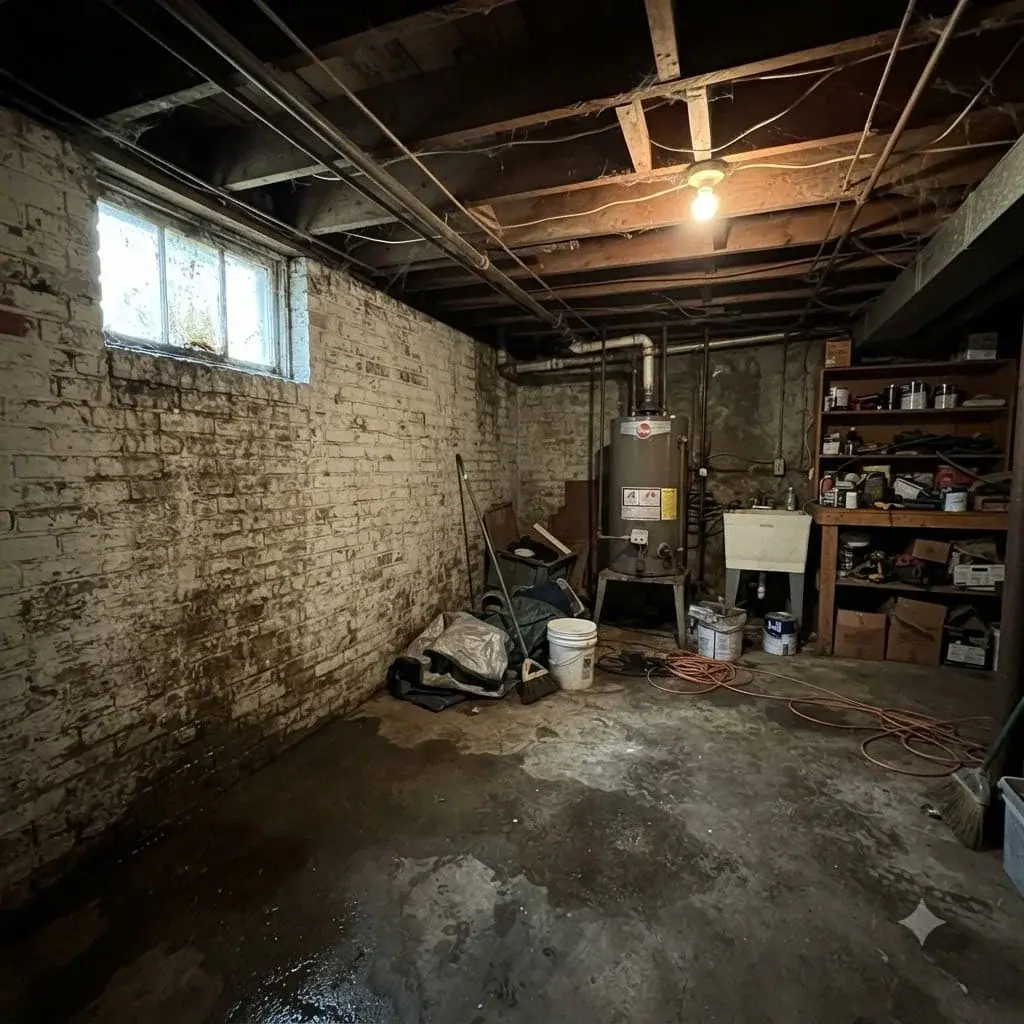
The soils of northeast Ohio formed in glacial till, a dense mix of clay, silt, and rock left behind by the glaciers. The USDA classes the Mahoning soil series, first established in Mahoning County in 1917, as somewhat poorly drained, with a subsoil that is 35 to 45 percent clay and a water table that sits high from October through June in most years. Clay holds water instead of passing it down, so rain collects against foundation walls rather than soaking away. With about 41 inches of precipitation and nearly 68 inches of snowfall a year, the soil around a Youngstown basement spends much of the year saturated, and saturated soil is what drives water through a wall.
The age of the housing adds to it. A large share of Youngstown homes went up before 1960 on stone, block, and poured-concrete foundations, and many of the mid-century ones were built with clay drain tile around the footing. Clay tile silts up and cracks over decades, and when the footing drain stops working, the water that used to leave the foundation stays against it.
Winter works on the walls as well. Northeast Ohio winters cycle above and below freezing, and water that works into a crack or a mortar joint freezes, expands, and widens the gap a little. The next thaw lets more water in, and the cycle repeats. A hairline crack in November is often a steady leak by spring.
Ohio lists Mahoning County among the counties where homeowners insurance policies must include mine subsidence coverage through the Ohio Mine Subsidence Insurance Underwriting Association. Subsidence is ground movement, which is a separate issue from everyday water pressure, but both show up as cracks and shifting walls in older foundations. If a wall in your Youngstown home has cracked or moved, call 123-456-7890 and we'll walk through what applies before any work starts.
A wet basement shows up in stages. These are the signs worth watching for in a Youngstown home:
One sign on its own is worth watching. Several together mean water is finding a path in, and the sooner we trace it, the smaller the fix.
First, we inspect the basement and the foundation, inside and out, to find where the water enters and why.
Second, we give you a written plan and a price for the work the home actually needs.
Third, our installers carry out the work.
Finally, we test the sump and discharge before we sign the job off.
Permit requirements vary between the City of Youngstown, neighboring cities, and the townships, so we confirm what your local building department requires before work starts.
If another company has already given you a price, call 123-456-7890. We'll inspect the same basement and write up our own plan, so you can compare the two side by side. It's the quickest way to see whether the method, the scope, and the price make sense for your foundation.
Compare quotes on the same few points, because two prices only mean something when they describe the same work:
Our written plan covers each of these before any work begins.
Interior drainage runs less than exterior excavation, and wall repair sits in its own range. Published 2026 national cost guides put interior waterproofing at roughly $3,000 to $12,000, exterior waterproofing at roughly $7,000 to $18,000, and an installed sump pump at roughly $600 to $2,500. Wall repair has no single typical figure because the price follows how far the wall has moved.
Those are national averages, not Youngstown quotes. The length of wall we treat, the condition of the foundation, and whether we add a sump and battery backup all move the number, and most homes need only one approach. The only way to get a real price for a specific home is an on-site inspection.
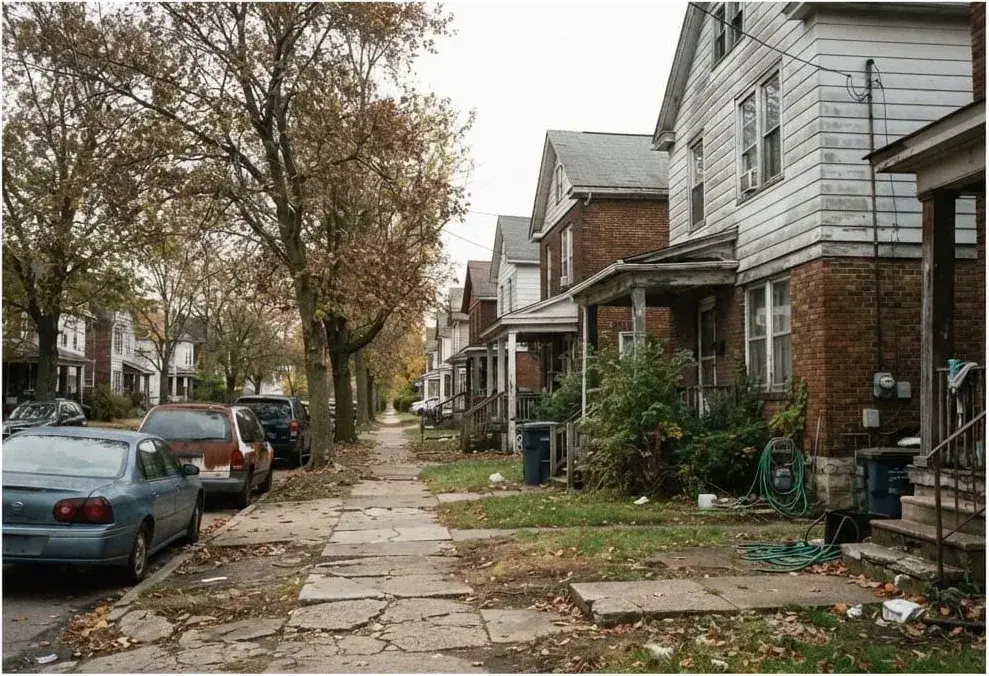
We waterproof basements across Youngstown, including Brier Hill, Crandall Park, and Wick Park on the North Side, Idora, Brownlee Woods, and Newport on the South Side, Lincoln Knolls on the East Side, and Kirkmere and Cornersburg on the West Side. We also cover the surrounding Mahoning Valley, including Boardman, Austintown, Canfield, Poland, Struthers, Campbell, Lowellville, Girard, and Niles. See the full service area
Rain and snowmelt saturate the clay-rich soil around the foundation, and that saturated soil presses water through cracks, mortar joints, and the floor-wall seam. In older Youngstown homes, aging block and stone walls and clogged clay drain tile give water the easiest path in. Surface sealers rarely hold because the pressure behind the wall is still there, so a lasting fix relieves the pressure and routes the water to a sump.
Interior drainage suits water that collects inside at the floor joint, and it's less disruptive, costs less, and can go in during any season. Exterior waterproofing is for water pushing in from outside, and it means excavating down to the footing to seal the wall from the outside. Many Youngstown homes do well with interior drainage, but an inspection is what settles which method the foundation needs.
Most homeowners policies exclude groundwater and gradual seepage, which is what causes most wet basements. Mahoning County policies must include mine subsidence coverage under Ohio law, but that covers ground movement from old mines, not water. Read your policy and ask your insurer directly about groundwater, sewer backup, and subsidence, because coverage differs from one policy to the next.
Permit requirements depend on the job and on where the home sits, since the City of Youngstown, neighboring cities, and the townships each run their own building departments. We confirm what your local building department requires for the specific work before it starts, and we can confirm it for your address when you call 123-456-7890.
National cost guides published in 2026 put interior waterproofing at roughly $3,000 to $12,000, exterior waterproofing at roughly $7,000 to $18,000, and an installed sump pump at roughly $600 to $2,500. Those are averages, not quotes. The price for a specific home depends on the method, the length of wall treated, and the foundation's condition, and an on-site inspection gives the real number.
We serve Youngstown and the Mahoning Valley, including Brier Hill, Crandall Park, Idora, Brownlee Woods, Kirkmere, Boardman, Austintown, Canfield, Poland, Struthers, Campbell, Lowellville, Girard, and Niles. Call 123-456-7890 to confirm coverage for a specific address.
Why Youngstown basements leak after heavy rain: clay soil pressure, older foundations, freeze-thaw, and what stops it. Call 123-456-7890.
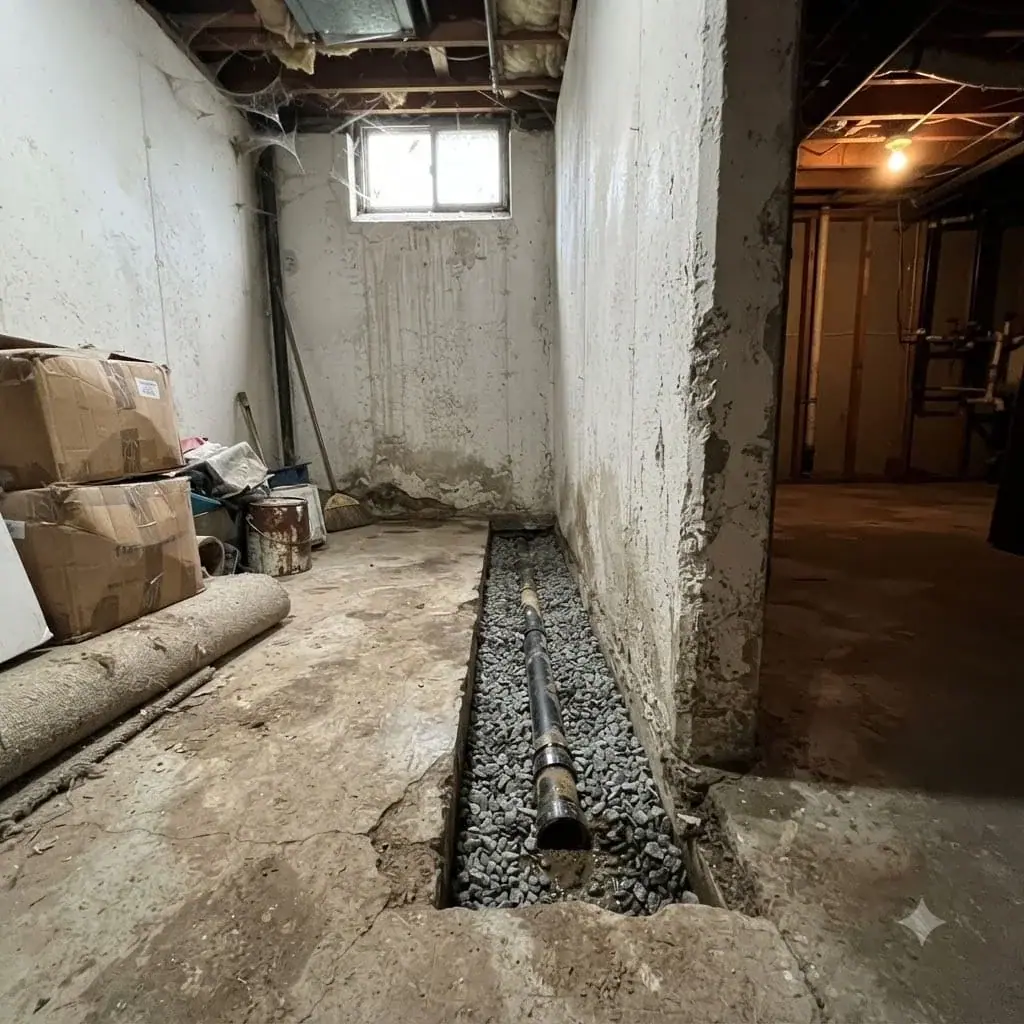
Interior vs exterior basement waterproofing compared: cost, disruption, and when each is right for a Youngstown home. Call 123-456-7890.
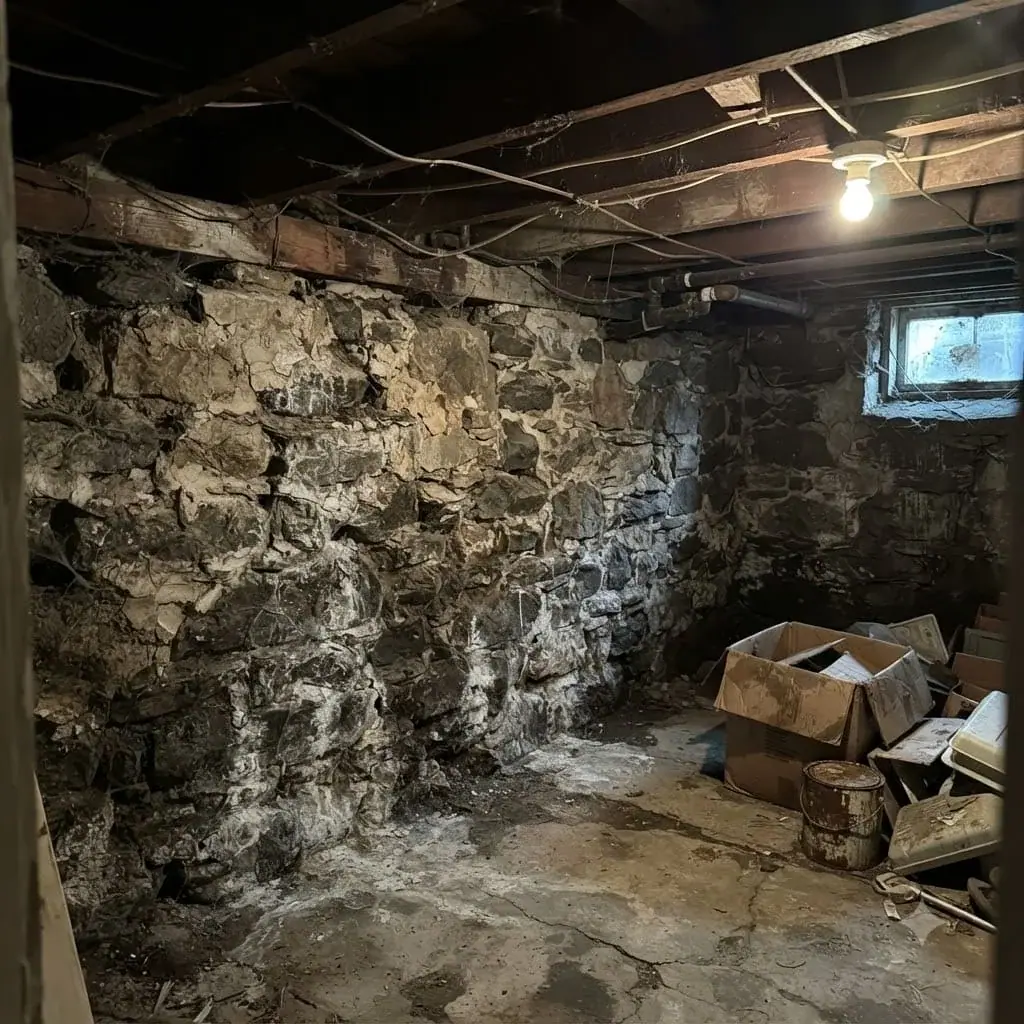
Why older Youngstown homes get wet basements: block and stone walls, failed clay drain tile, freeze-thaw, and how to keep them dry. Call 123-456-7890.
For basement waterproofing in Youngstown, call 123-456-7890 for a free estimate.