
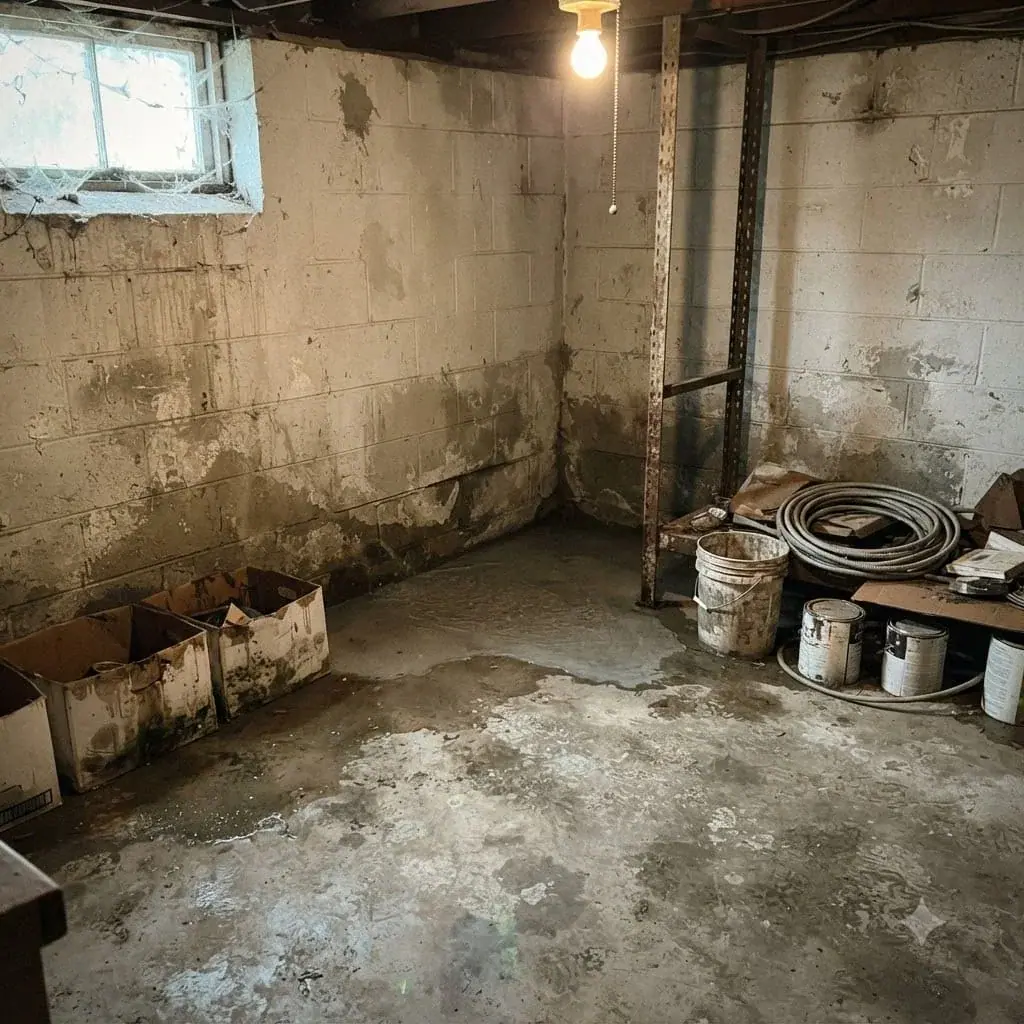
Why Does My Basement Leak After Heavy Rain in Youngstown?
Why Youngstown basements leak after heavy rain: clay soil pressure, older foundations, freeze-thaw, and what stops it. Call 330-642-8091.
Basement waterproofing in Austintown, Ohio addresses the water problems common to the township's post-war housing: seepage at the floor-wall seam after heavy rain, walls that show staining and efflorescence, and block walls that have begun to bow from decades of soil pressure. Austintown Township developed heavily during Youngstown's suburban expansion of the 1950s through the 1970s, and many of those foundations are now old enough for their original drainage systems to have failed. Call 330-642-8091 to reach a local provider.
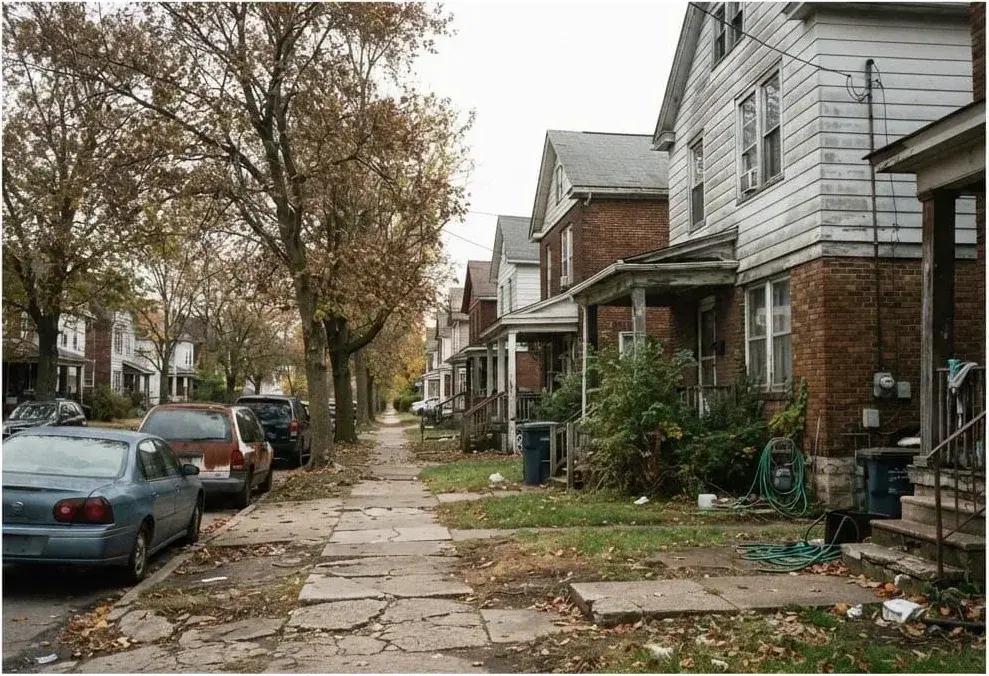
The same force drives most Austintown basement leaks: clay-rich soil that holds water against the foundation instead of letting it drain. The ground in Mahoning County formed from glacial till, dense with clay, and it stays saturated for weeks after spring rains or snowmelt. That saturated soil presses water through cracks, mortar joints, and the seam where the wall meets the floor. The lasting fix relieves that pressure and gives the water a controlled path out.
Providers serving Austintown handle the full range of water problems that come up in township homes.
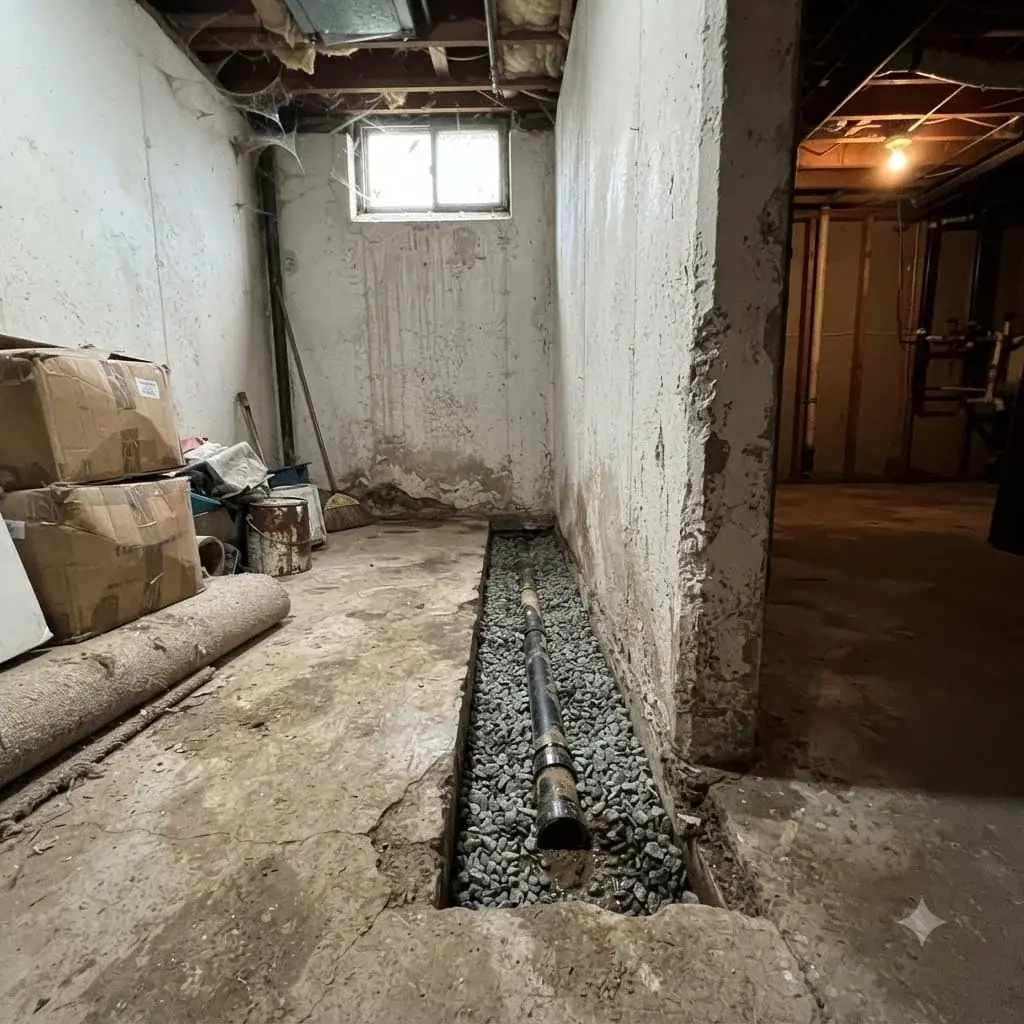
Interior drainage and sump pumps are the standard solution for Austintown homes that take on water at the floor-wall seam. A perforated pipe is set along the inside of the footing, water routes to a sump basin, and the pump sends it outside through a discharge line. On block walls, weep holes drilled into the bottom course drain water trapped inside the hollow block. This method is the least disruptive and can be installed in any season. Interior drainage and sump pumps
Exterior waterproofing is the right call when water comes through the wall face from outside. The soil is excavated to the footing, the wall is sealed with a waterproof membrane, and a footing drain is set at the base. For an Austintown home where the original 1960s clay drain tile has silted up, or where a wall leaks from top to bottom, exterior work stops the water before it reaches the wall. Exterior basement waterproofing
Basement wall repair addresses walls that have bowed or cracked under soil pressure. Carbon-fiber straps hold a wall that has moved slightly; wall anchors are needed when displacement is greater. A bowing wall that is not stabilized keeps moving under the pressure of the clay soil outside. Basement wall repair
Crawl spaces, window wells, and yard drainage are part of the same system. Crawl spaces get a vapor barrier and drainage at the low point. Window wells get drains and covers. Grading and downspout work cut the water load at the source before it reaches the foundation.
Work is performed by independent professionals. Providers serving Austintown start with an inspection before recommending any method.
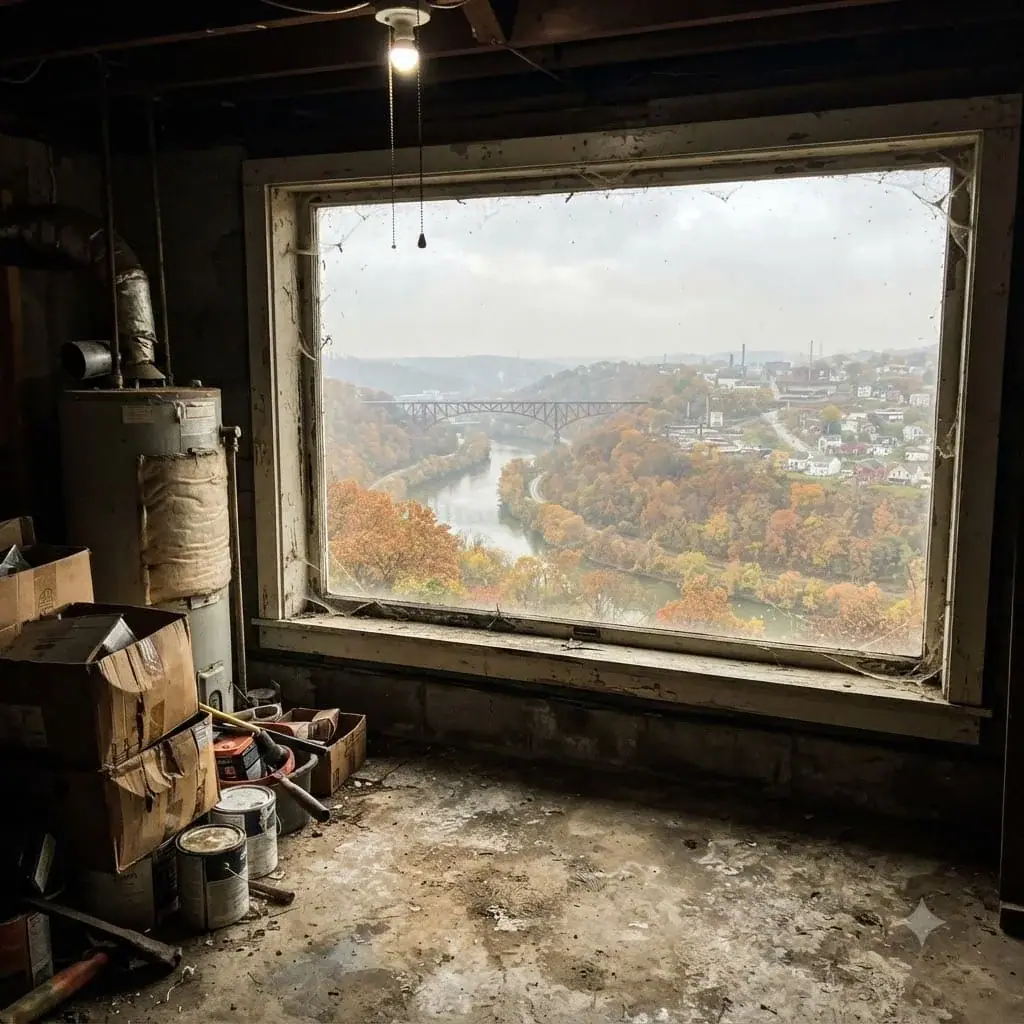
Austintown Township expanded quickly during the postwar decades, filling in with ranch homes, split-levels, and brick two-stories as Youngstown's population spread west along Route 46 and the Ohio Turnpike corridor. That housing stock is now 50 to 70 years old, and the original waterproofing details, where they existed, have aged with it.
The soil tells most of the story. Austintown sits on the same Mahoning soil series that underlies all of Mahoning County, a clay-heavy glacial till that the USDA describes as somewhat poorly drained, with a subsoil of 35 to 45 percent clay and a water table that runs high from October through June. Rain and snowmelt saturate this soil quickly, and it holds water against a foundation for weeks. With about 41 inches of precipitation and nearly 68 inches of snowfall per year, Austintown basements spend much of the year under pressure from saturated soil.
Footing drainage is the second cause. The 1960s and 1970s homes that dominate Austintown were often built with clay drain tile around the footing, the standard detail of the era. After five or six decades, that tile has silted up and cracked in many homes. When the original drain fails, groundwater stays against the foundation wall instead of routing away from the house. Interior drainage provides a new outlet on the inside; exterior work replaces the failed tile from outside.
Freeze-thaw cycling is the third factor. Northeast Ohio winters move repeatedly above and below freezing. Water that enters a crack or mortar joint in fall freezes, expands, and widens the gap; the thaw lets more water in; the cycle repeats each winter. Many of the cracks Austintown homeowners see in spring opened a little more each winter for years.
Wet basement problems in Austintown follow the same pattern as across the Mahoning Valley:
One sign is worth watching. Several at once mean water has found a way in.
Permit requirements in Austintown Township and neighboring jurisdictions vary, so a provider confirms what the local building department requires before work begins.
The most common problems are seepage at the floor-wall seam after heavy rain, staining and efflorescence on block walls, and sump pump failures that let water accumulate. Austintown's post-war housing runs heavily on block and poured-concrete foundations, and the original clay footing drains on 1960s homes have silted up in many cases. Interior drainage with a sump pump handles most of these cases.
Most Austintown homes that take on water at the floor-wall seam do well with interior drainage. Exterior waterproofing belongs on a wall that leaks across its whole face, a home where the footing drain has completely failed, or a finished basement where interior work would require removing walls. An inspection determines which method the foundation actually needs.
Basement wall repair is part of the service in Austintown. Carbon-fiber straps are used for block or poured-concrete walls that have bowed slightly, and wall anchors are used for walls that have moved further. A wall that is bowing needs to be stabilized; soil pressure keeps working on it until it does. See the page on basement wall repair for the methods used.
Austintown is in Mahoning County, which is one of Ohio's designated counties where homeowners insurance policies must include mine subsidence coverage. Mine subsidence covers damage from collapsing underground mines, which is different from the water pressure that causes most wet basements. If you are seeing cracks and are unsure of the cause, a local provider can help separate water damage from ground movement. See the guide to mine subsidence coverage in Mahoning County for the full picture.
Why Youngstown basements leak after heavy rain: clay soil pressure, older foundations, freeze-thaw, and what stops it. Call 330-642-8091.
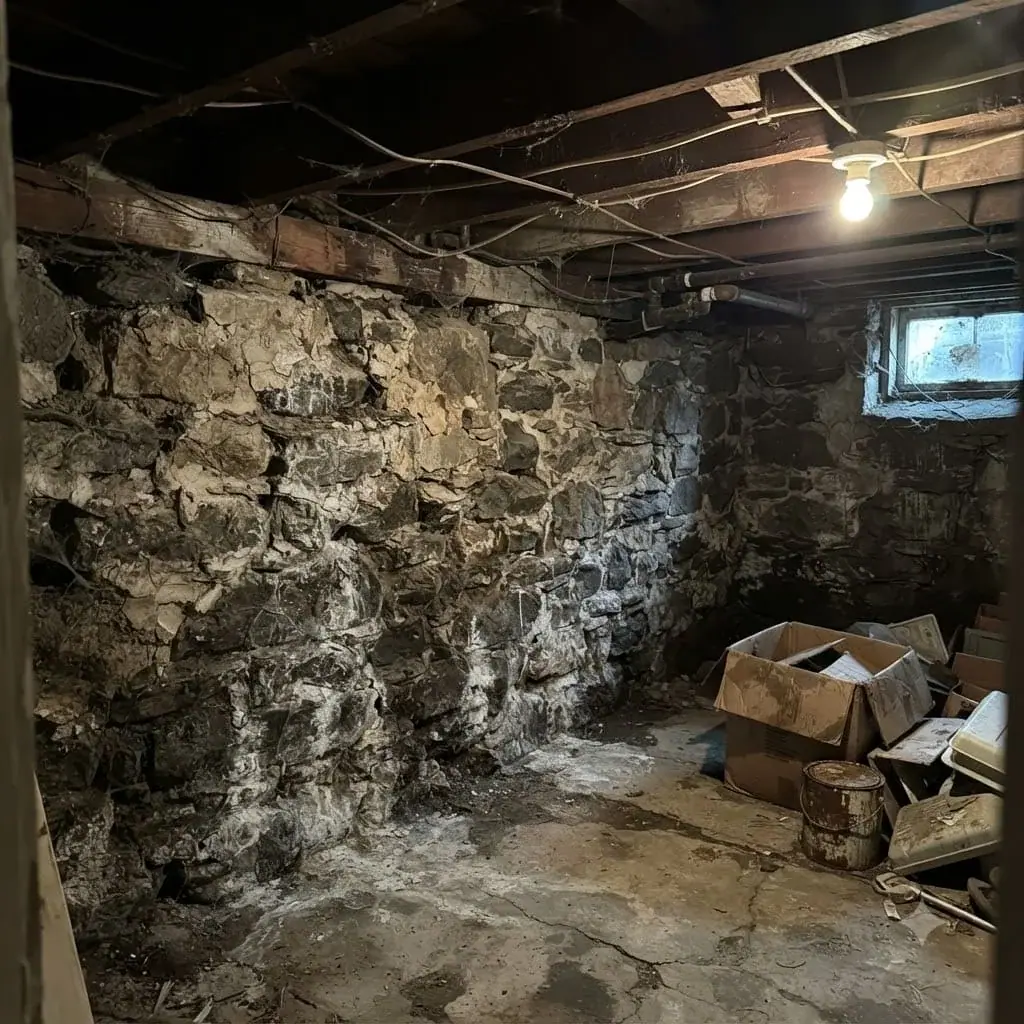
Why older Youngstown homes get wet basements: block and stone walls, failed clay drain tile, freeze-thaw, and how to keep them dry. Call 330-642-8091.
Interior vs exterior basement waterproofing explained: how each system works, when to choose one over the other, and what most Youngstown homes actually need. Call 330-642-8091.
For basement waterproofing in Austintown, OH, call 330-642-8091 to reach a local provider. See the full Mahoning Valley service area or the main Youngstown basement waterproofing page.