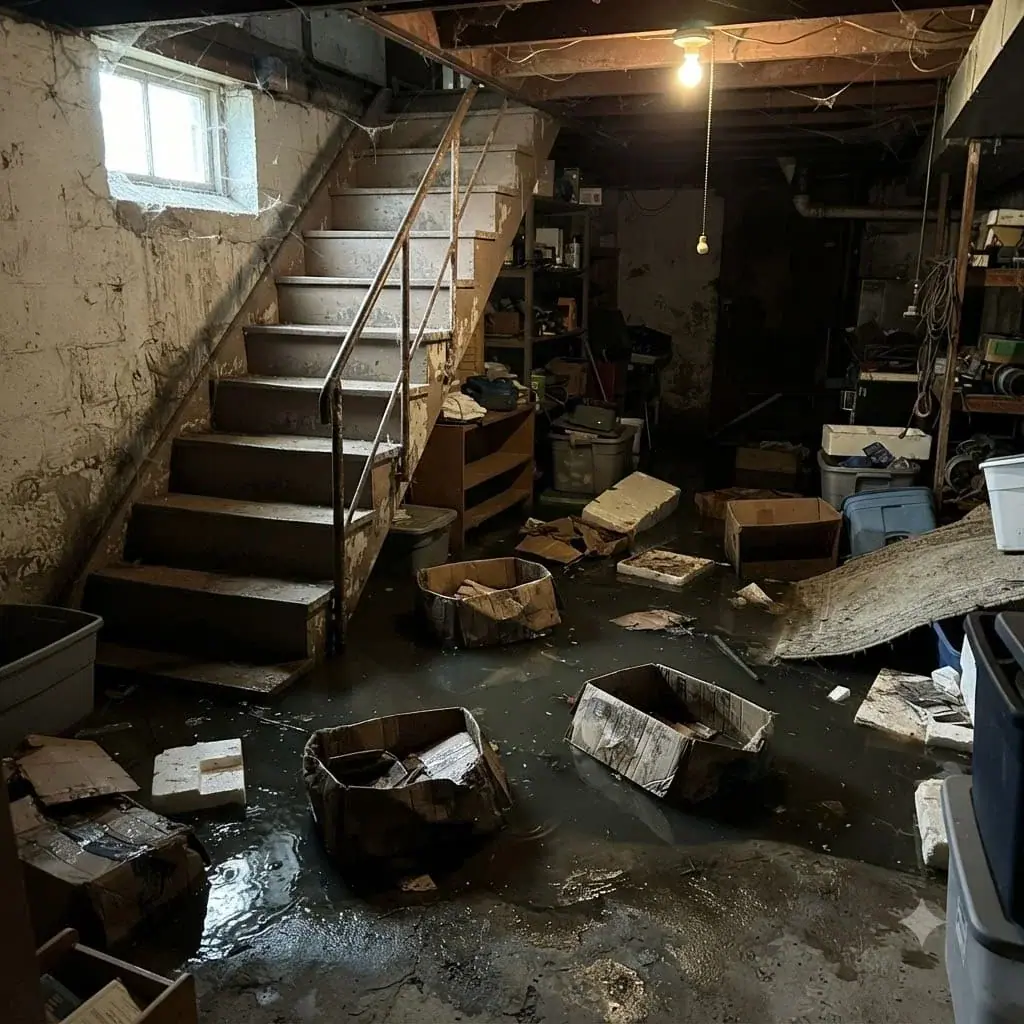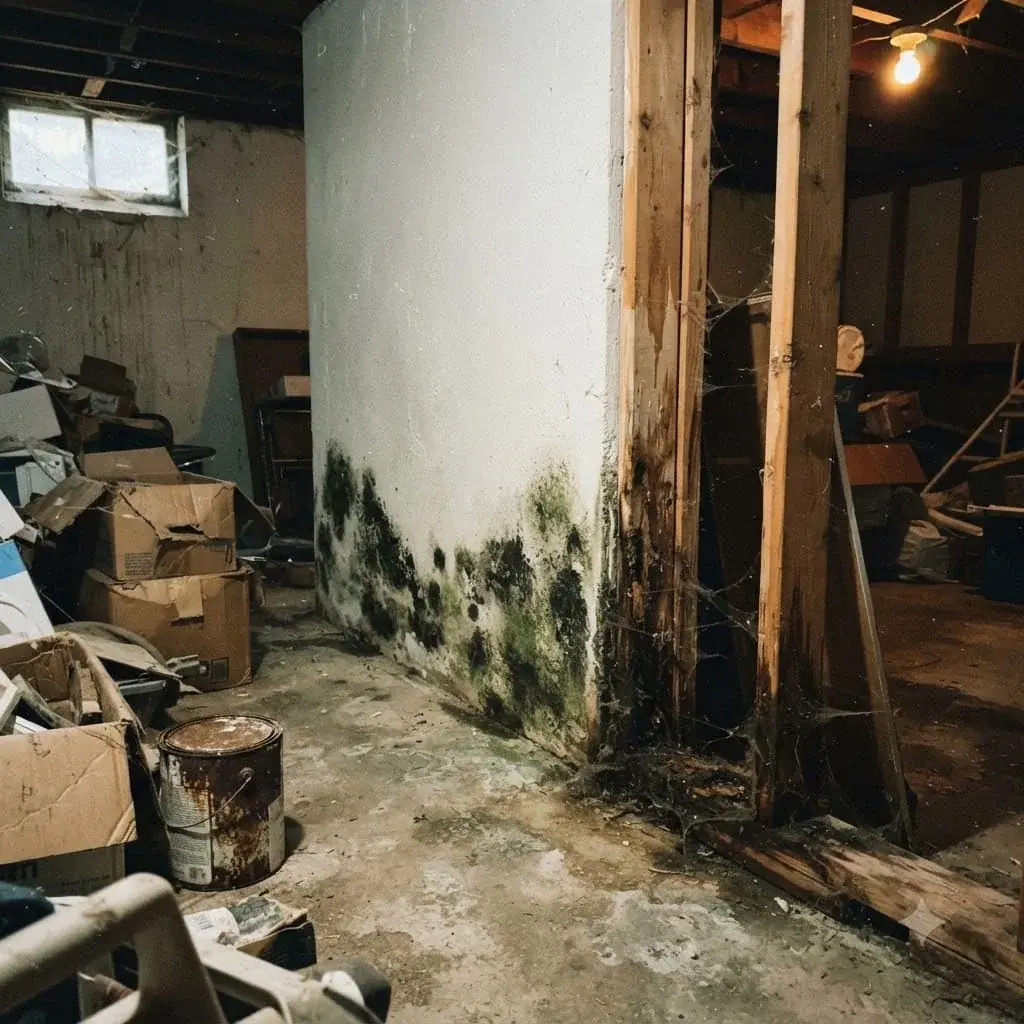
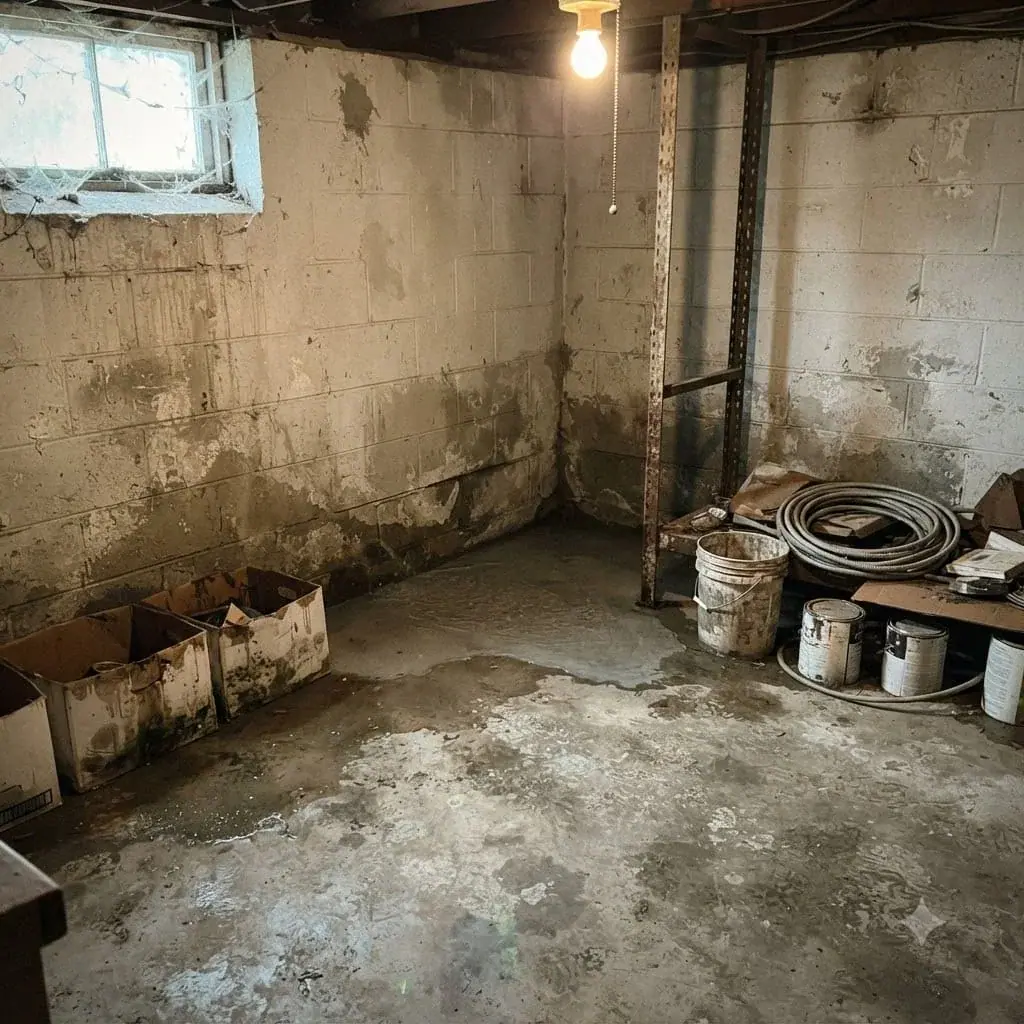
Your basement stays dry for weeks, then a heavy Youngstown rain rolls through and water shows up on the floor. It's one of the most common basement problems in the Mahoning Valley, and the cause is almost always the same: water pressure in the soil around your foundation. Here's what's happening, and what stops it.
The Short Answer: Soil Pressure, Not a Hole in the Wall
Your basement leaks after heavy rain because saturated soil presses water through the foundation, not because of one obvious hole. When rain or snowmelt soaks the ground around your house, the water builds up against the basement walls. That pressure, called hydrostatic pressure, pushes water through whatever path it can find: a hairline crack, a mortar joint, a porous spot in the block, or the seam where the wall meets the floor. The leak follows the rain because the pressure follows the rain.
This is why a basement can be dry for weeks and then wet within hours of a storm. Nothing about the wall changed. The water load outside it did.
Why Youngstown Homes Are Especially Prone to This
Three local conditions line up to make Youngstown basements leak.
First, the soil. The ground here formed from glacial till, and the USDA classes the Mahoning soil series, first established in Mahoning County in 1917, as somewhat poorly drained, with a subsoil that is 35 to 45 percent clay and a water table that sits high from October through June in most years. Clay holds water against a foundation instead of passing it down.
Second, the weather. Youngstown averages about 41 inches of precipitation and nearly 68 inches of snowfall a year, according to NOAA's 1991 to 2020 normals. The soil around a foundation spends long stretches saturated, and saturated soil is exactly what drives water through a wall.
Third, the age of the houses. About 35% of Youngstown's occupied homes were built before 1940 and roughly 70% before 1960, and those foundations were built before modern waterproofing existed. Many mid-century homes also have clay drain tile around the footing, and clay tile silts up and cracks over decades.
The Winter Factor: Freeze-Thaw
Freeze-thaw cycles make a small leak worse every year. Water that works its way into a crack or a mortar joint freezes, and because water expands when it freezes, it widens the gap a little. The next thaw lets more water in to freeze again. Over a Youngstown winter that cycle repeats many times. A hairline crack you barely noticed in November can be a steady leak by the time the spring rains arrive.
Where the Water Actually Comes In
When a Youngstown basement takes on water, it enters at one of a few predictable points. The floor-wall seam, called the cove joint, is the most common, because it's the weakest line where pressure finds its way up. Cracks in the wall, especially horizontal ones, are next. On block walls, water seeps through the porous block and out through the mortar joints. Gaps around pipe penetrations and window wells let water in too. Finding the real entry point is the whole job, because sealing the wrong spot does nothing.
Why Surface Sealers Don't Fix It
Waterproofing paint and sealers are where many homeowners start. A sealer coats the inside face of the wall and can slow light dampness. It cannot relieve water pressure. When saturated clay pushes water against the foundation, that pressure builds behind the coating until it peels, blisters, or finds the floor-wall seam the paint never covered. On older block and stone walls, a sealer buys a season at best.
What Actually Stops a Rain Leak
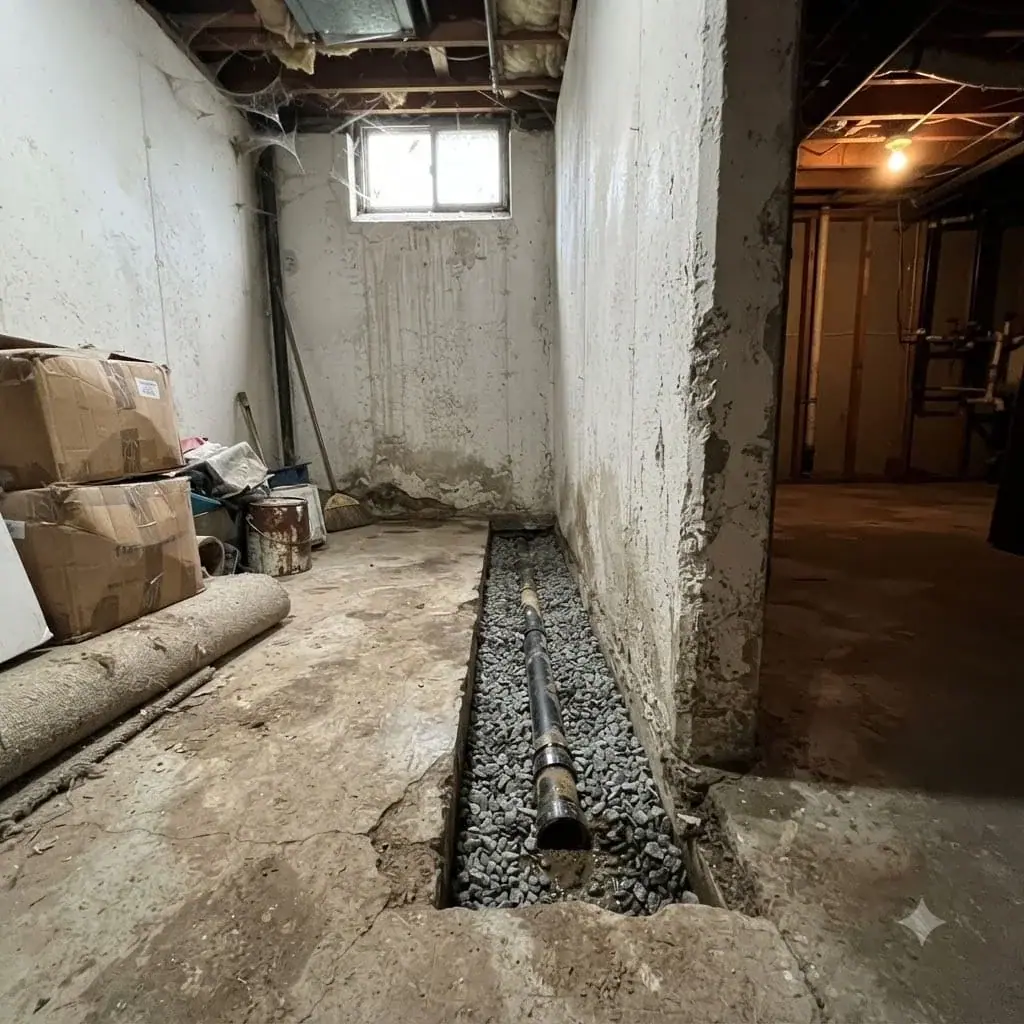
The lasting fix relieves the pressure and gives the water a controlled path out. For most Youngstown homes, that means interior drainage and a sump pump: a channel cut along the footing that collects the water and routes it to a basin, where a pump sends it out and away from the house. For walls that leak across their whole face, exterior waterproofing seals the wall before water reaches it. A wall that has begun to bow needs structural repair alongside the drainage.
If your basement floods during the storms that also knock out power, a battery backup pump is the part that works on the night it matters.
Frequently Asked Questions
Why is my basement only wet after it rains?
A basement that's only wet after rain is reacting to water pressure in the soil, not a permanent defect. When heavy rain or snowmelt saturates the ground, water builds up against the foundation and gets pushed through cracks, joints, and the floor-wall seam. Between storms, the soil drains and the pressure drops, so the basement dries out. The pattern follows the rain because the water load against the wall follows the rain.
Will sealing the crack stop the leak?
Sealing a crack stops water at that one spot but rarely fixes the whole problem, because the pressure that found that crack finds the next weak point. Cracks are a symptom of water pressure against the wall, not the root cause. A lasting fix relieves the pressure with a drainage system that routes water to a sump, so it has somewhere to go instead of forcing its way through the wall.
Is a leak after heavy rain an emergency?
A leak after heavy rain isn't an emergency, but it gets worse if ignored. Each wet season and each freeze-thaw winter widens the entry points and raises the amount of water that gets in. What starts as a damp patch becomes standing water that damages stored items, flooring, and eventually the foundation. Addressing it early keeps it a small drainage job rather than a structural one.
Can I fix a rain leak myself?
Minor steps help, though they rarely solve a real rain leak. Cleaning gutters, extending downspouts away from the house, and regrading soil to slope away from the foundation all reduce the water load, and they're worth doing. Once saturated soil is pushing water through the wall, surface sealers and DIY patches don't relieve the pressure. A drainage system that handles the water below the slab is what stops it.