It's the question every homeowner asks the morning after a wet basement, and the answer is frustrating: it depends on where the water came from. Some basement water is covered by a standard policy, some is excluded, and the lines aren't always obvious. This guide explains the general rules so you know what to check in your own policy. It isn't legal or insurance advice, and your specific coverage is between you and your insurer.
The General Rule: Source Decides Coverage
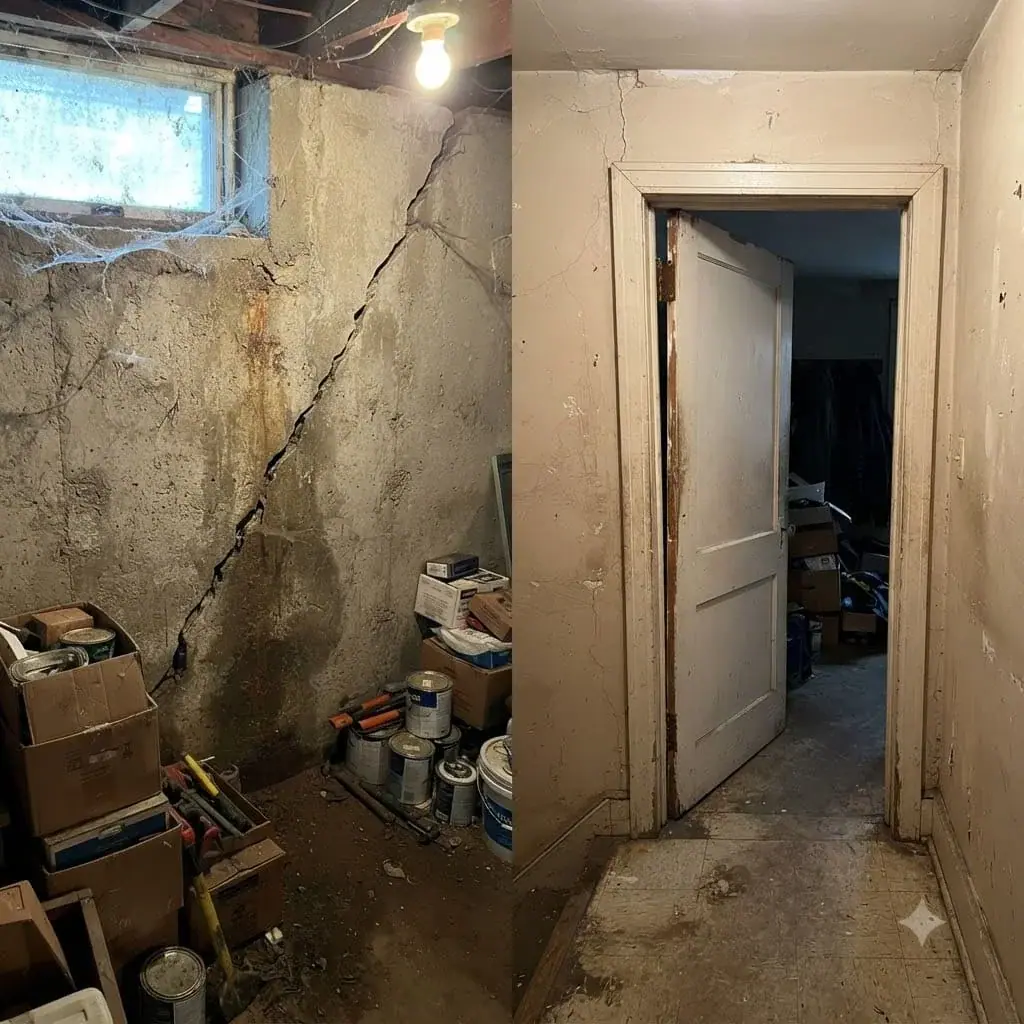
Whether basement water damage is covered comes down to the source of the water, not the damage itself. Homeowners policies tend to cover sudden, accidental water from inside the home, and to exclude water that comes from the ground or builds up gradually. The same puddle on your floor can be covered or not covered depending on how the water got there. That's why the first thing an insurer asks is where the water came from.
What's Typically Covered
Sudden, internal water failures are the kind most often covered. A burst pipe, a failed washing-machine hose, a water heater that lets go, and an overflowing appliance are generally covered because they're sudden and accidental. If a pipe bursts behind a wall and floods your basement, a standard policy typically pays for the water damage, though not always for fixing the pipe itself. The common thread is that the water came from inside the home's plumbing and the failure was abrupt.
What's Typically Excluded
Groundwater and gradual water are the big exclusions, and they're what causes most wet basements in the Mahoning Valley. Most standard policies exclude:
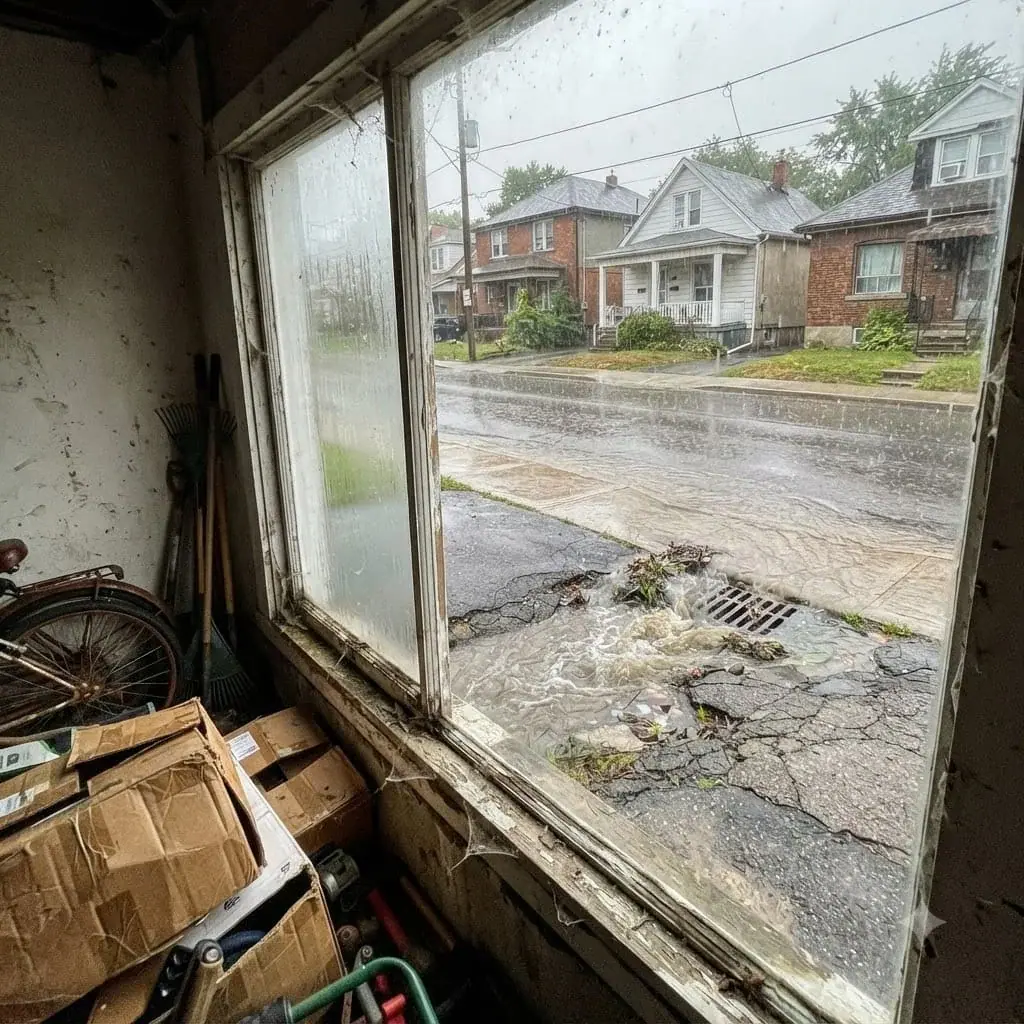
- Groundwater and surface water seeping or flooding in from outside, which is the storm-driven water behind most wet Youngstown basements.
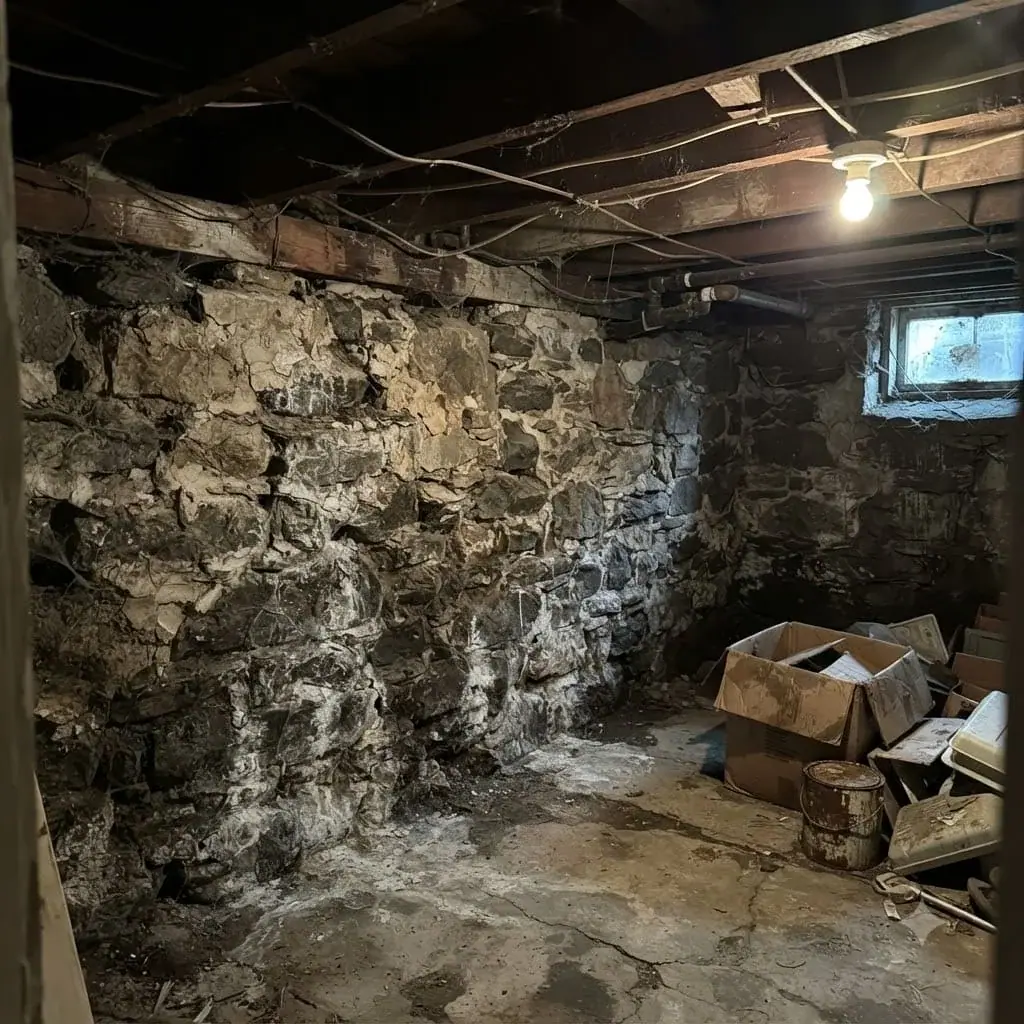
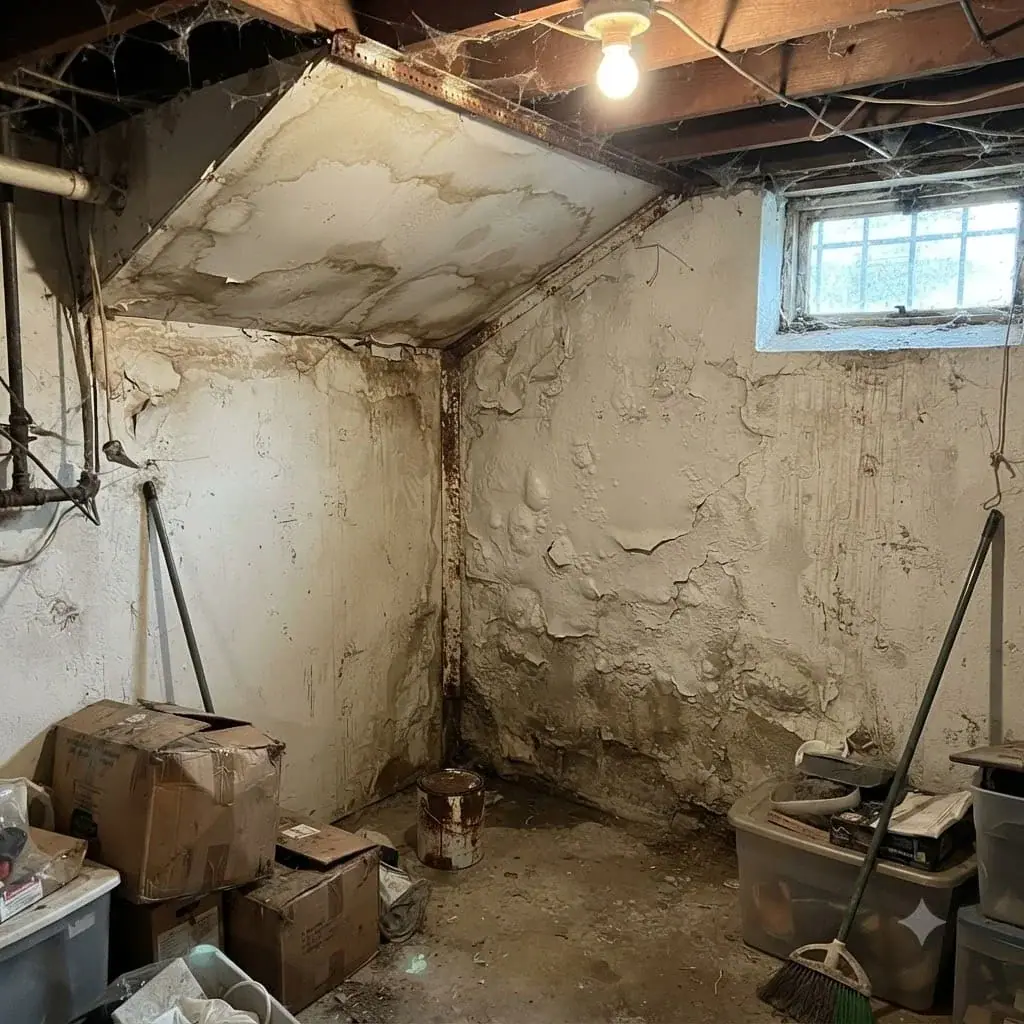
- Gradual seepage and long-term moisture, on the reasoning that it's a maintenance issue, not a sudden event.
- Sewer and drain backups, unless you've added a specific endorsement for them.
- Flood, in the insurance sense of rising external water. The federal flood insurance program's FloodSmart site states that most homeowners insurance does not cover flood damage.
For a Youngstown home, this is the hard part: the water that comes up through the floor or in through the walls after heavy rain is the excluded kind.
The Youngstown-Specific Points
Two points matter more here than in many places. First, sewer backup. Youngstown has a combined sewer system in its older areas, and heavy rain can push those flows past pipe capacity, which is why the city has been replacing sections of it. A backup that floods a basement through the floor drain is the kind of loss a standard policy excludes unless you've added a sewer and drain backup endorsement.
Second, mine subsidence. Ohio requires homeowners policies in Mahoning County to include mine subsidence coverage, so that cause is handled inside the policy, with its own limit and a deductible between $250 and $500. It covers damage from collapsing underground mines, not water. We cover it in our guide to mine subsidence insurance in Mahoning County.
What to Do About It
Since the common causes are often excluded, the practical move is prevention plus the right endorsements. Read your policy and find the water sections. Call your insurer and ask specifically about groundwater, sewer backup, and mine subsidence, and ask what endorsements are available. Consider a sewer-and-drain backup endorsement, which covers a gap many people don't know they have. And because insurance won't stop the water from coming in, the lasting protection is a drainage system that handles it. A home with interior drainage and a sump pump keeps the water from reaching the floor in the first place, which beats arguing a claim after the fact.
Frequently Asked Questions
Does homeowners insurance cover a flooded basement?
Homeowners insurance usually does not cover a basement flooded by groundwater or surface water, which is the most common cause in the Mahoning Valley. Water seeping or flooding in from saturated soil after heavy rain is typically excluded as a maintenance or flood issue. A basement flooded by a sudden internal failure, like a burst pipe, is more often covered. Coverage depends on the source of the water, so read your policy and confirm with your insurer.
Is a burst pipe covered but groundwater isn't?
A burst pipe is usually covered while groundwater usually isn't, because policies distinguish sudden accidental failures from gradual or external water. A pipe that bursts is abrupt and internal, so the resulting water damage is generally covered. Groundwater that seeps or floods in from outside is excluded as a maintenance or flood matter. The same wet floor can be covered or not covered depending on whether the water came from your plumbing or from the ground.
Do I need separate flood insurance in Youngstown?
You may need separate flood insurance if your home is in or near a flood-prone area, because standard homeowners policies exclude flood in the insurance sense of rising external water. Flood insurance is a separate policy, often through the National Flood Insurance Program. Whether you need it depends on your flood zone and your home's history, which your insurer or agent can confirm. Ask about it before a storm, not after.
What is a sewer backup endorsement?
A sewer backup endorsement is an add-on that covers water damage from a sewer or drain backing up into your home, which a standard policy excludes by default. It's inexpensive relative to the damage and worth considering in older areas with combined sewers that can back up during heavy storms. Without the endorsement, a sewer backup that floods your basement typically isn't covered. Ask your insurer to add it if your home is prone to backups.
Does insurance cover mold from a wet basement?
Insurance coverage for mold depends on what caused the moisture. If mold results from a covered event, like a sudden burst pipe addressed promptly, it may be covered, often with a cap. If it results from an excluded cause, like long-term groundwater seepage or gradual dampness, it's usually not covered, because insurers treat that as a maintenance issue. Preventing the moisture in the first place, through drainage and dehumidification, is more reliable than counting on a mold claim.